ThaiBev’s Sustainability 2025
Home / Environmental
Packaging Commitment

Packaging
Commitment

Packaging
Guideline

Packaging
Materials
Packaging Management
COLLABORATION
with external parties to tackle packaging waste
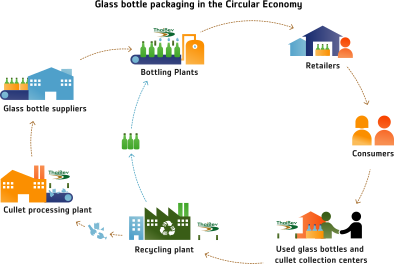
ThaiBev adheres to the circular economy principle and considers all environmental and social impacts arising from its packaging, from design to post-consumption packaging management. To help achieve more sustainable packaging management, ThaiBev focuses on five actions:
  • Optimization of Packaging Weight and Volume
  • Post-consumption Packaging Collection and Sorting
  • Reuse and Recycle
  • Innovation and Product Design for Sustainable Packaging
  • Stakeholder Collaboration

1. Optimization of Packaging Weight and Volume
ThaiBev collaborates closely with suppliers to design and develop packaging that minimizes the use of natural resources while maintaining product quality and functionality.

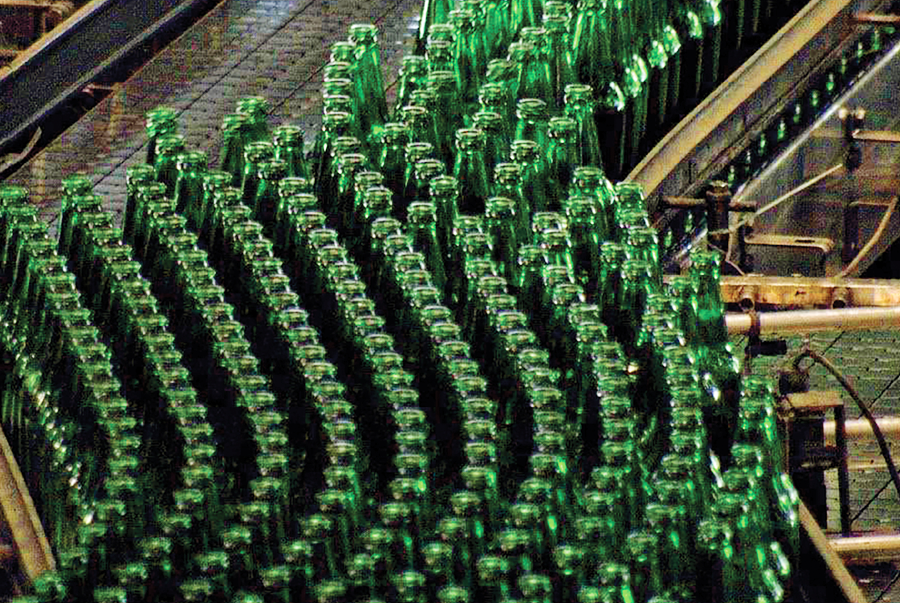
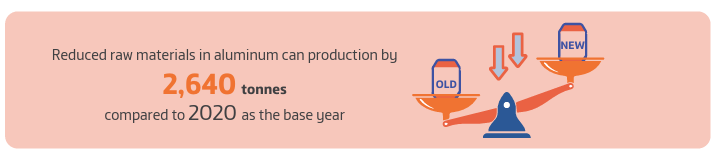
In Thailand, ThaiBev has successfully downgauged aluminum cans, reducing aluminum consumption by 2,640 tonnes compared to 2020. By 2030, the company aims to further reduce raw material use in aluminum can production by 2,700 tonnes compared to the 2020 baseline. Additional packaging reduction initiatives in ThaiBev Group include reducing the weight of glass bottles: reducing PET bottle weight; minimizing the thickness of LDPE plastic film; adopting lightweight Narrow Neck Press & Blow (NNPB) glass bottles; and introducing Green Partitions that use less paper and enable simplified assembly.
Packaging reduction initiatives
  • The Beer Product Group in Thailand has initiated a project to optimize corrugated cartons and inserts by reducing paper usage. Similar reduction initiatives for other packaging materials, such as labels and caps, also aim to optimize material weight, achieving an average reduction of 9% compared with the previous year.
  • The Spirits Product Group has initiated several projects to reduce packaging material usage and optimize packaging weight. These initiatives include reducing the weight of glass bottles, increasing the use of recycled paper in carton boxes, reducing the paper grammage of labels, changing cap seals from PVC to PET, and reusing good-condition inserts instead of using new ones. Other initiatives include reducing label length and replacing Masonite sheets with corrugated cardboard.
  • For the Non-Alcohol Product Group (NAB), several initiatives have been implemented to reduce packaging material usage and improve recyclability. These include reducing the thickness of aluminum cans, decreasing the width and length of paper sheets, reducing plastic usage for carbonated soft drinks, reducing the amount of paper fiber used, and lowering the weight of HDPE plastic caps. NAB is also experimenting with perforated shrink sleeves that are easy to tear off, tethered caps that remain attached to the bottle after consumption, and replacing PVC labels with PET labels to improve recycling feasibility.
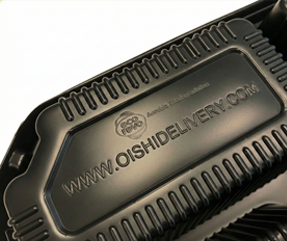
  • In the Food Product Group, Oishi has redesigned and reduced the weight of plastic bowls and trays used for food delivery while maintaining product quality and freshness. Oishi has also implemented a Relock design for its food packaging boxes, becoming the first company to adopt this type of packaging, which helps reduce the use of plastic and straps. In addition, Oishi is developing mono-layer packaging to replace multi-layer packaging for selected products under Oishi Eato, its Japanese-style ready-to-eat meal brand, helping to reduce non-recyclable plastic and improve packaging recyclability.
  • In addition, ThaiBev Group uses paper packaging from partners certified by the program for the Endorsement of Forest Certification (FSC and PEFC), supporting sustainable forest management and responsible resource use.
Phase out Single-use Plastic
KFC Green Store
The QSR of Asia Co., Ltd., under the Food Group of Thai Beverage Public Co., Ltd., joined hands with KFC Thailand under Yum Restaurants International (Thailand) Co., Ltd. to open the “KFC Green Store." This store encourages customers to participate in environmental conservation efforts, aligning with KFC’s principle of “Done the Right Way." This principle is practiced through quality ingredients, fresh and clean food, and our determination to save the earth. The concept of “KFC Fast Good” is to do good and be sustainable for the world.

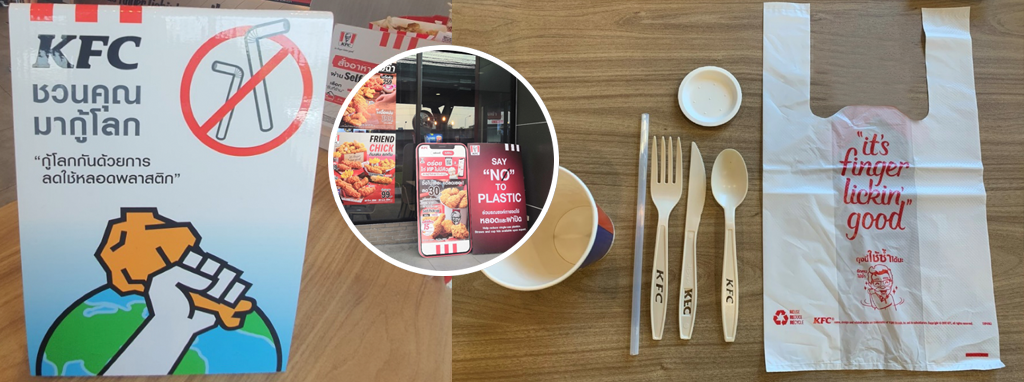
Currently, there are two KFC Green Store branches: Vibhavadi Branch, Bangkok, and Depot by VANACHAI, Chachoengsao. KFC Green Store has switched the packaging to materials with minimum plastic, e.g., new knives and forks with 20% less plastic, switching to a water-based coating instead of PE film-coated soda cups and paper sauce cups. Moreover, solar panels are installed on its rooftop to generate the power used in the restaurant. This reduces the use of electricity by 20%. The store also has an air-purification system installed to treat the air before discharging, and this initiative includes EleX by EGAT charging stations for EV users, marking a step forward in advancing eco-friendly efforts in line with the Thai Beverage Policy. 

The KFC Green Store, operating under the Zero Waste concept, used recycled materials for design and decor. The KFC Green Store launched a new campaign to encourage customers to enjoy their chicken by using their hands instead of plastic cutlery, aligning with Colonel Harland David Sanders original concept. This reduces plastic usage by an average of 40,000 pieces per year. And the stores also join hands with IRPC to encourage customers to sort the trash (knives, forks, spoons, and mashed potato cups) and recycle it into other products. The new experience at KFC Green Store expects to see customers’ cooperation in post-consumer waste sorting or recycling processes that align with the circular economy.
KFC transitioned its packaging from single-use polypropylene (PP) plastic to paper-based materials as part of its commitment to sustainability. This initiative aims to reduce plastic waste and minimize the environmental impact of its operations by adopting more eco-friendly and recyclable packaging solutions.
Aerobic Biodegradation Plastic Packaging
Oishi partners with SCGC to drive sustainable business through Eco-Friendly packaging with EcoRevo technology  
 
Oishi, in collaboration with SCGC, continues to advance its commitment to sustainable business development by adopting environmentally friendly packaging developed under EcoRevo Technology. This innovation enables polypropylene (PP) packaging to retain its recyclability when properly collected, at the same time it helps reducing the issue of waste lingering in nature by enabling biodegradation under suitable conditions and transforming into biomass that is non-toxic to the environment.   
 
This joint packaging development reflects Oishi’s strong commitment to conducting business alongside social and environmental responsibility. The initiative emphasizes ultimate benefits of resource utilization, environmental impact reduction, and the creation of shared value across the entire business value chain.   
 
The collaboration between Oishi and SCGC marks another important step in leveraging technology and innovation to support sustainable business growth, while contributing to the collective effort of driving society toward a better and more sustainable future.  

2. Post-consumption Packaging Collection and Sorting
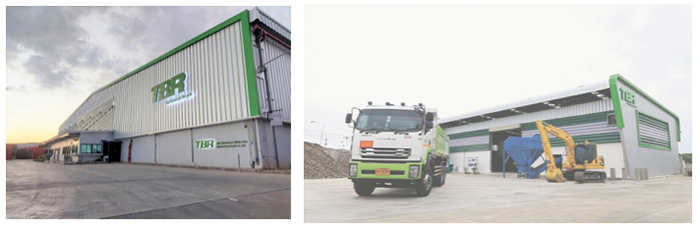
A crucial part of closed-loop packaging management is to collect and sort post-consumption packaging. Thai Beverage Recycle Co., Ltd. (TBR), a subsidiary of ThaiBev, is task with ThaiBev’s post-consumption packaging collected via local business partners throughout the country and sorts them at company-owned sorting facilities. Main packaging materials retrieved by TBR include glass bottles, cullet, aluminium cans, PET bottles, and corrugated cartons.

TBR Recycling Facility in Nakon Ratchasima (left) and Ayutthaya (right)
Bring Back-Recycle
The Bring Back–Recycle project in Thailand, led by Thai Beverage Recycle Co., Ltd (TBR), aims to promote responsible post-consumption packaging management among consumers. The project has expanded its efforts to 37 office buildings across Bangkok. Over the past six years, the project has organized a wide range of waste separation initiatives in collaboration with various partners to improve waste management and packaging recovery at various major events such as MotoGP, King’s Cup, Buriram Marathon, We Can Run: Fund for Legs, UD Town Songkran Festival, Olympic Day Suphanburi 2025, Run for Mom 2025, KNT RUN, Med Music in the Park, Bangkok Bestival and Sustainability Expo 2025.

In 2025, TBR acted as a supporting partner for the FIVB Women’s World Championship 2025, which adopted the Green Heart Event Criteria (GHEC) standard. The project saw waste-sorting points set up at all four venues in Bangkok, Chiang Mai, Nakhon Ratchasima, and Phuket, successfully collecting 1,174 kilograms of recyclable materials, generating 22,883.9 Baht for donation to the Prostheses Foundation of Thailand.

In collaboration with Bangkok Metro Networks (BMN), a subsidiary of Bangkok Expressway and Metro Public Company Limited (BEM), under the METRO MALL GO GREEN initiative, the project supported lifestyle changes aligned with Zero Waste and Low Carbon Footprint concepts at six MRT stations, including Queen Sirikit National Convention Centre (QSNCC) Station, Sukhumvit Station, Phetchaburi Station, Phra Ram 9 Station, Phahon Yothin Station and Chatuchak Park Station.

TBR also continued the Sustainable Waste Management initiative with Sustainability Expo Co., Ltd. (SX) in collaboration with the Central Police Flat Community Committee (Chaloemlap) in Bangkok, which is aimed at becoming a model zero-landfill community. TBR partnered with the community to improve waste management systems. In the upcoming year, TBR will increase resident participation and expand segregation of additional waste types for income generation or proper management, ultimately reducing the amount of waste requiring disposal and aligning with Bangkok’s waste management goals.

TBR launched the “Recycle for Cash and Care” activity to promote waste management at large-scale events by using electric vehicles to collect materials from sorting points and vendor booths, allowing participants to either receive the proceeds or donate them to organizations or foundations.

In addition, Bring Back–Recycle joined as a partner organization with PPP Plastics network, Public Private Partnership for Sustainable Plastic and Waste Management. The initiative advances a Plastics Circularity Ecosystem and supports data systems for EPR. An MOU was also signed under the “This House Doesn’t Mix: Waste Sorting to Reduce Fees” project, through the OK Recycle platform, to connect waste-segregation data from the source and encourage households to sort waste by type, reducing disposal volumes and contributing to long-term social and environmental benefits.


3. Reuse and Recycle
In order to ensure efficient closed-loop post-consumption packaging management, TBR sends sorted post-consumption packaging directly to intended users, such as manufacturers and recyclers.

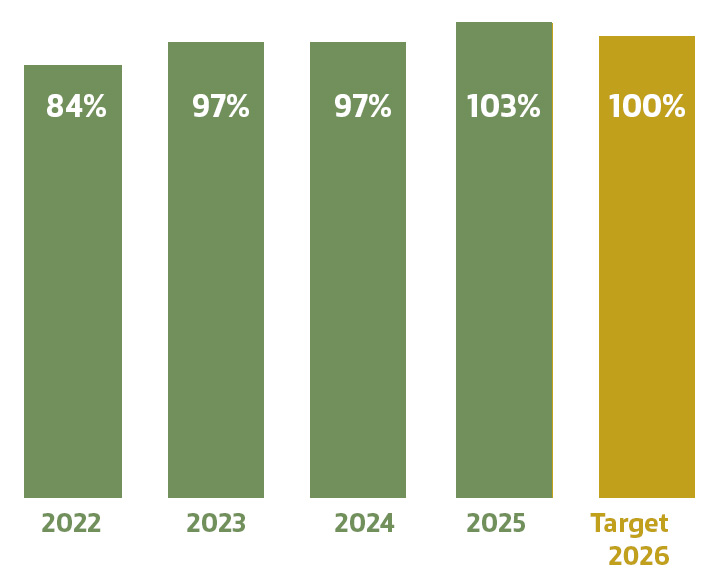
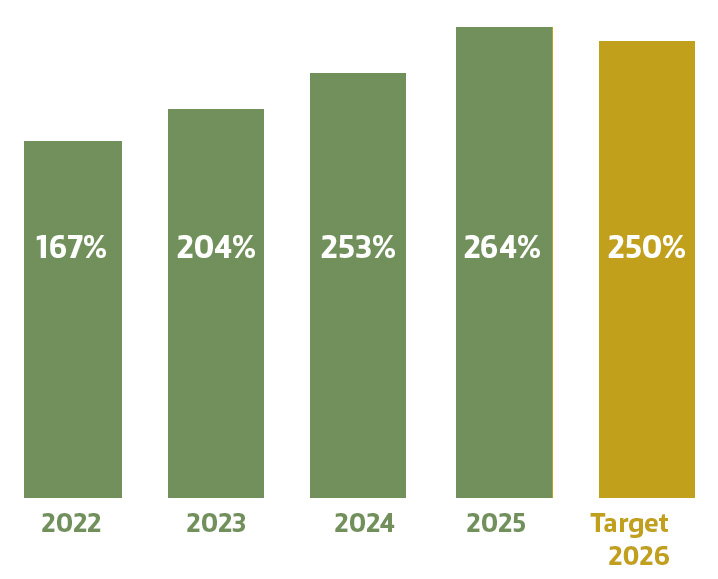
Glass contributes to the highest volume of key packaging material consumption at ThaiBev. It is used to package various products, including white spirits, blended spirits, whisky, brandy, beer, carbonated soft drink, drinking water, etc. In FY2024, ThaiBev reused over 1,431 million glass bottles, and collected 253,888 tonnes of cullet to be recycled. The amount collected is equivalent to 97 percent of returnable glass bottle products sold by the company in Thailand.
Increase Reusable Packaging
graph1

A nationwide campaign was launched to promote ‘Returnable est COLA bottles’ focusing on food shops and restaurants channel. As an industry, returnable glass bottles has been losing its charm at the expense of more convenient plastic PET bottles. However, EST brand sees sustainability differently and committed to re-activate relevance of this format driving growth of +7% and maximizing 80% of SermSuk’s environmentally friendly packaging portfolio in this channel, surpassing industry peer performance rates.

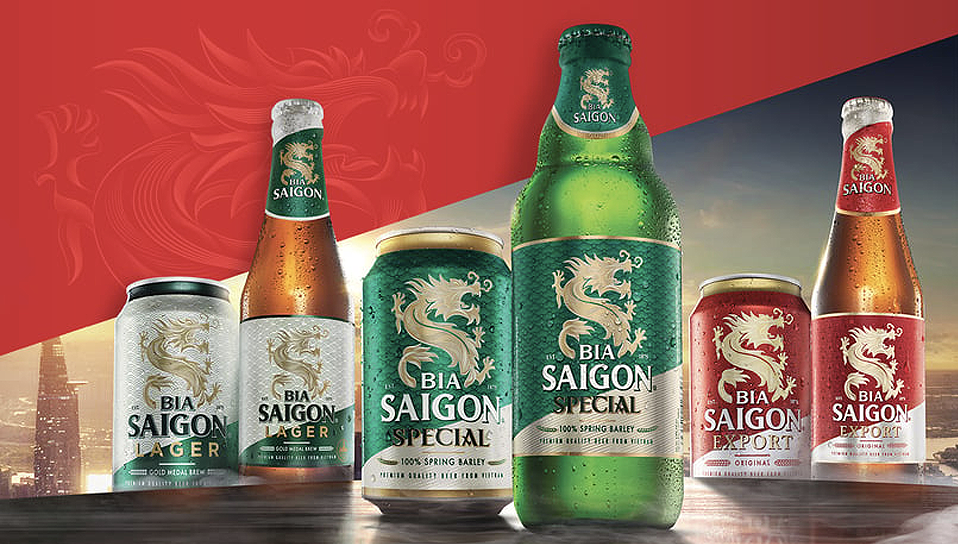
SABECO applies the concept of returnable packaging by exchanging bottles and crates and nearly 100% of glass bottles are returned to the production process. SABECO has also made efforts to downgauge of aluminum cans and reduce the weight of corrugated cartons.

Recyclable Packaging
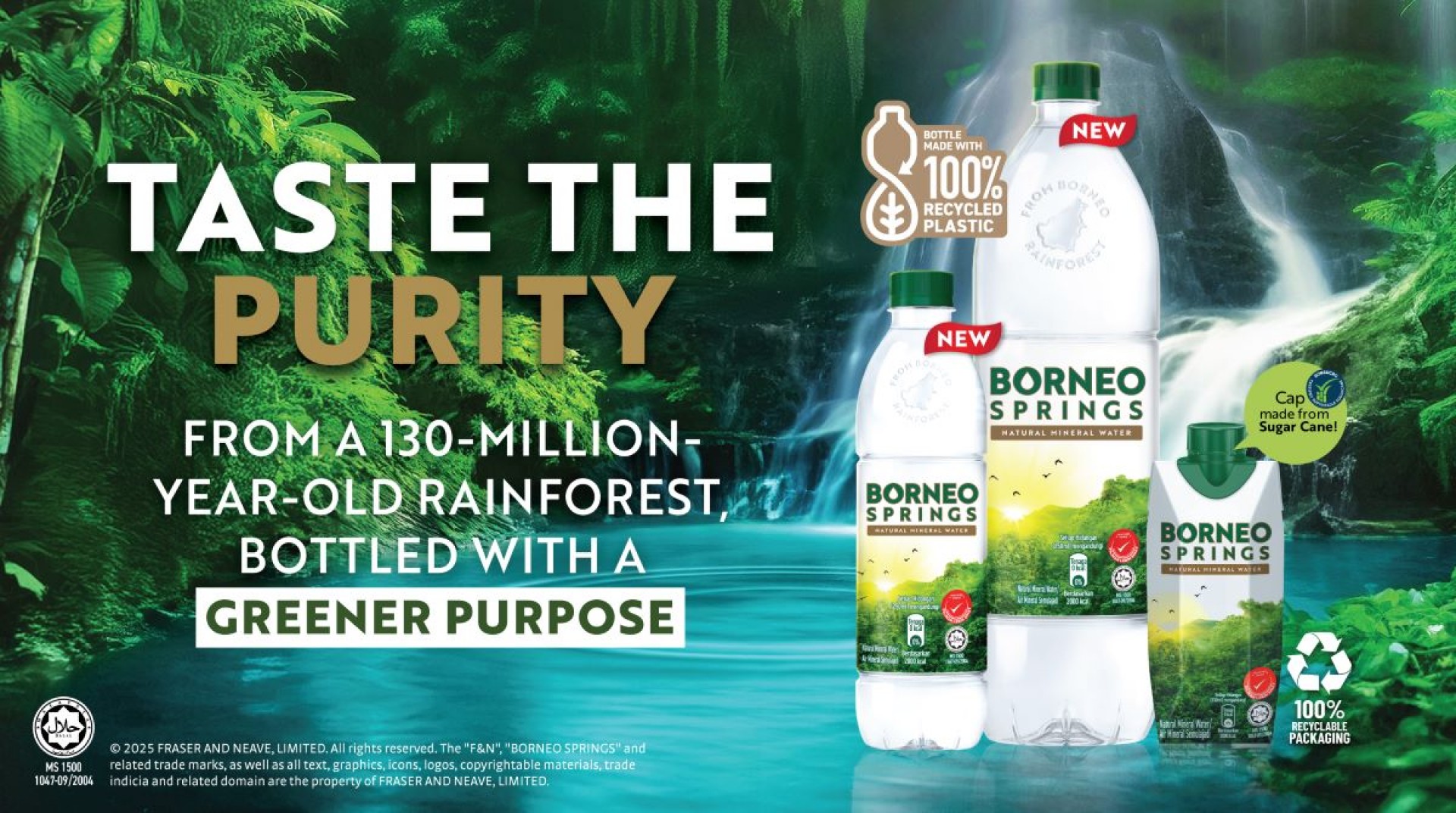
ThaiBev has implemented a wide range of sustainable packaging initiatives to reduce environmental impacts and promote circular economy principles across its packaging portfolio. For glass packaging, the company has introduced lightweight bottles using the Narrow Neck Press & Blow (NNPB) process, reducing material use while maintaining product quality. In aluminum packaging, ThaiBev has reduced the gauge of aluminum cans and lids to enhance recyclability and lower material consumption, and also implemented a recyclable aluminum bottle with a screw cap containing nearly 80 percent recycled content for Chang Unpasteurized Beer. Paper-based packaging efforts include optimizing corrugated cartons and inserts, introducing reusable inserts, replacing Masonite sheets with Corrugated Fiber Board in selected SKUs, and minimizing the thickness and dimensions of paper to reduce non-recyclable waste. For plastic packaging, ThaiBev has introduced 100 percent recycled PET (rPET) bottles for est Cola 515 ml and Borneo Spring. The company has also redesigned plastic bowls, trays, and other food-delivery packaging to use less material while maintaining product quality.

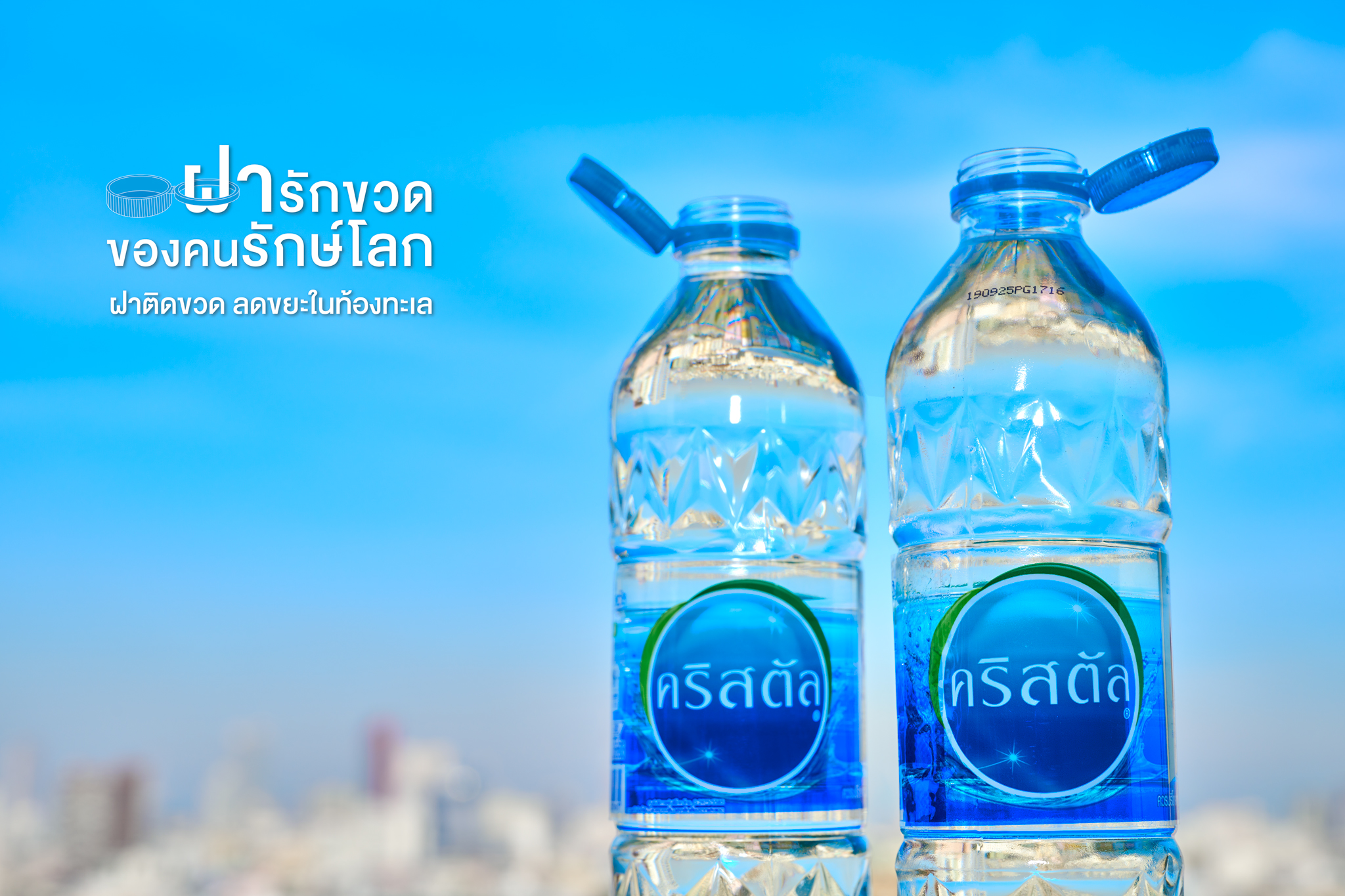
To improve recyclability and reduce non-recyclable plastics, ThaiBev has transitioned from PVC to PET for cap seals and labels and implemented innovative designs such as perforated shrink sleeves, tethered caps for Oishi Green Tea and Crystal Drinking Water, and mono-layer packaging for Oishi Eato meals. Collectively, these initiatives demonstrate ThaiBev’s commitment to resource efficiency, circularity, and sustainable packaging management across its diverse product portfolio.
RecyclablePackaging1
In addition, ThaiBev Group uses paper packaging from partners certified by the program for the Endorsement of Forest Certification (FSC and PEFC), supporting sustainable forest management and responsible resource use.
Aluminum Can Closed-Loop Recycling


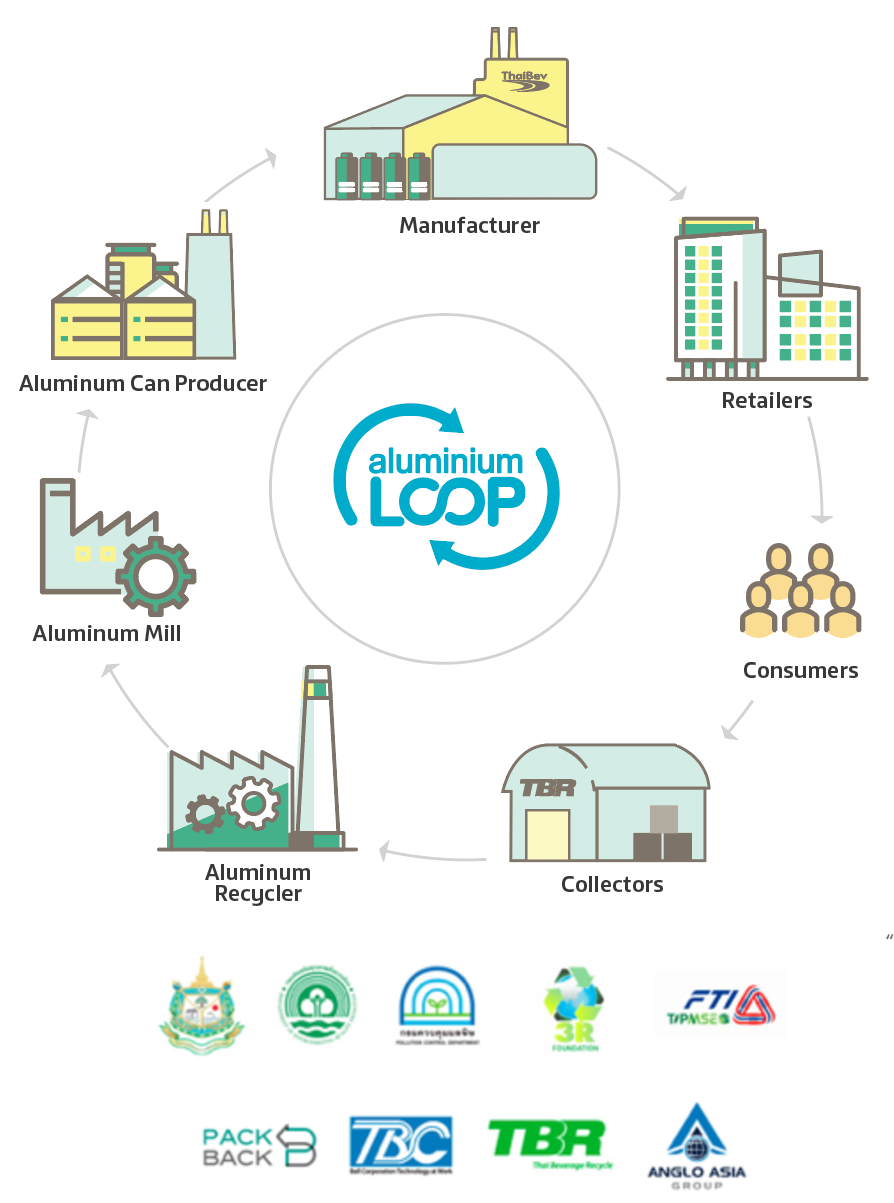
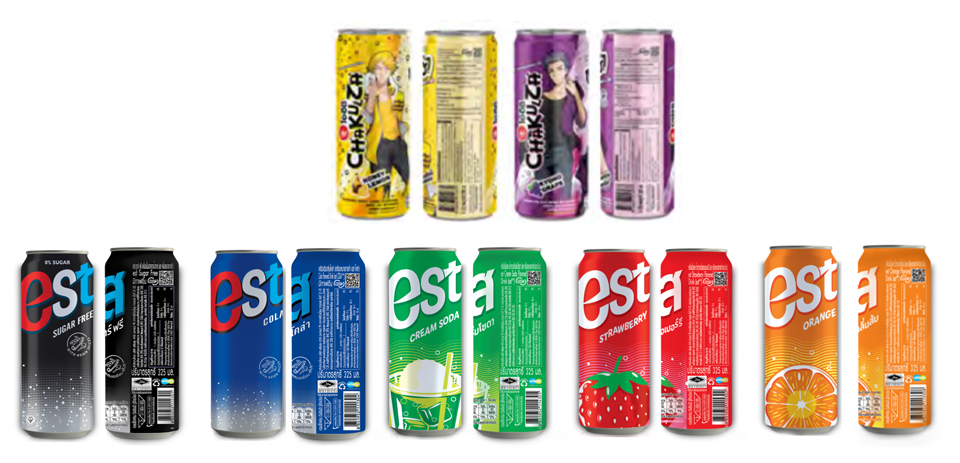
To further ThaiBev’s commitment to ensuring that recyclable packaging is actually recycled, TBR signed a Memorandum of Understanding (MOU) on “Transparency of Aluminum Can Closed-Loop Recycling”, which aims to establish a fully integrated recycling system for used aluminum cans in Thailand through supply chain collaboration. The objectives are to improve the efficiency of the recycling process, the recycling rate, and the proportion of recycled content in aluminum cans. An “Aluminum Loop” symbol was designed to create awareness among consumers, and is displayed on many product brands including ThaiBev’s popular soft drink products: Chakulza and est cola. The campaign is an example of how manufacturers and brand owners can collaborate with partners along the supply chain, and influence the demand for recycled packaging, thus boosting the recycling rate.

More information on aluminium loop
https://www.aluminiumloop.com

PERCENTAGE OF GLASS PACKAGING RETRIEVED

PERCENTAGE OF PAPER PACKAGING RETRIEVED


4. Innovation for Sustainable Packaging

ThaiBev established BevTech Co., Ltd. (BevTech) as a Research and Development centre with one branch, the Packaging Business, that develops sustainable packaging and alternatives.

BevTech also researches machines and robotics to facilitate automation in ThaiBev’s production facilities. The Packaging Business is responsible for end-to end packaging management, from conceptual design, materials selection to packaging production process development to minimize both environmental and social impacts.

The following factors are considered in BevTech’s packaging development:
  • Specification
  • Law and Regulation
  • Material Availability
  • Cost and Benefit
  • Environmental Impacts
  • Energy Consumption
  • Safety

BevTech’s major achievement in recent years has been the implementation of an automated bottle-sorting conveyor belt and the introduction of artificial intelligence (AI) bottle-sorting technology through collaboration with CMKL University, a top-tier research institute established as a collaboration between King Mongkut’s Institute of Technology Ladkrabang (KMITL) and Carnegie Mellon University (CMU), world's leading university on AI technology.

5. Stakeholder Collaboration
ThaiBev drives sustainable packaging management through a holistic approach, engaging stakeholders across our value chain, including suppliers, private-sector partners, public organizations, and end consumers. ThaiBev is a key partner of the Thailand Institute of Packaging and Recycling Management for a Sustainable Environment (“TIPMSE”) under the Federation of Thai Industries (FTI), with our executives serving as TIPMSE’s President and Vice President. Additionally, as a co-founder of the Thailand Supply Chain Network (“TSCN”), ThaiBev collaborates to advance sustainable packaging practices. Moreover, Since 2019, TBR has championed post-consumption recycling through its Bring Back–Recycle program, featuring campaigns, waste management training, and drop points at schools, offices, and events. These efforts underscore our commitment to fostering a circular economy and advancing long-term sustainability.
EXTENDED PRODUCER RESPONSIBILITY ACROSS MARKETS
ThaiBev recognizes the importance of Extended Producer Responsibility (EPR) as a key mechanism to advance circular economy practices and promote responsible packaging management across our value chain. Under the EPR concept, producers are accountable for the environmental impacts of their products and packaging throughout the entire life cycle from design to post-consumption management. ThaiBev prioritizes EPR as a strategic approach to enhance packaging circularity, ensure regulatory readiness, and foster collaboration with relevant stakeholders in all operating markets.

ThaiBev's subsidiary in Vietnam, SABECO, complies with Vietnam’s EPR regulation by authorizing PRO Vietnam, a non-profit organization, to manage the collection and recycling of post-consumer packaging. In 2025, PRO Vietnam facilitated the recycling of approximately 275 tonnes of aluminum and 1,313 tonnes of carton packaging on behalf of SABECO. In addition, SABECO engaged Ngoc Diep, a certified recycler, to directly collect and recycle 269 tonnes of post-consumer aluminum cans during the year. These initiatives demonstrate SABECO’s commitment to fulfilling regulatory obligations while contributing to Vietnam's national recycling targets.

Since 2019, F&N, a ThaiBev subsidiary in Singapore, has partnered with the National Environment Agency (NEA) to deploy 50 Reverse Vending Machines (RVMs) across the country. The initiative offers convenient drop-off points for recycling selected plastic bottles and aluminum cans, encouraging long-term recycling habits among consumers.

ThaiBev's subsidiary in Scotland, Inver House, has undertaken a Sustainable Packaging Solutions Project in collaboration with a third-party consultant to enhance packaging sustainability and reduce environmental impacts associated with packaging waste. The project evaluated compliance costs and risks under the United Kingdom’s EPR framework and identified opportunities to improve material efficiency, recyclability, and circular design.

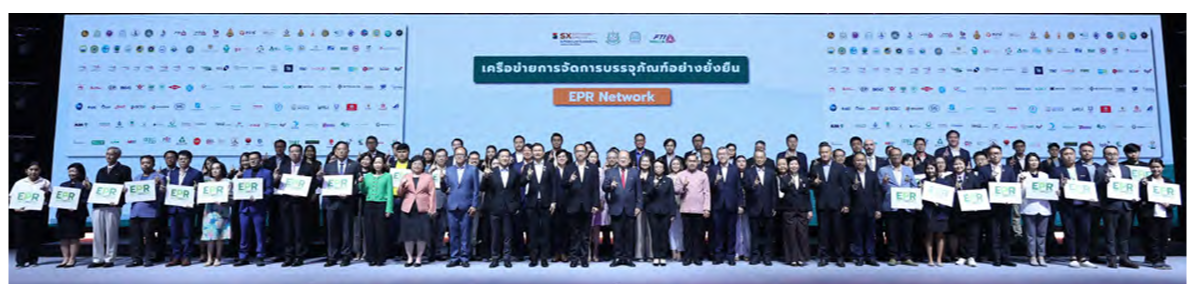
ThaiBev’s operations in Thailand have actively collaborated with the Thailand Institute of Packaging and Recycling Management for a Sustainable Environment (TIPMSE) under the Federation of Thai Industries (FTI) in the development of the Extended Producer Responsibility (EPR) scheme in Thailand. Under the EPR concept, producers are responsible for the environmental impacts of their products and packaging throughout their entire life cycle, including the post-consumption stage.

In 2025, TIPMSE mobilized more than 149 partner organizations to drive the “EPR in Action” initiative under the concept of transforming post-consumption packaging into valuable raw materials in accordance with circular economy principles. The initiative promotes incentive mechanisms through tax benefits, market-based instruments, and the adoption of Design for Recycle (D4R) and Post-Consumer Recycled (PCR) materials to reduce environmental impacts. This collective effort was showcased at the Sustainability Expo (SX2025), reflecting Thailand’s growing momentum in advancing EPR implementation.

Extended Producer Responsibility

Read More Information about
Packaging & Circular Economy
in Sustainability Report 2025