ThaiBev’s Sustainability 2025
Home / Environmental
SUSTAINABLE RAW MATERIALS
Agricultural raw materials are the starting point for ThaiBev’s products, including sugar, rice, malt, soy, palm oil and tea leaf. ThaiBev therefore strives to promote sustainable agriculture alongside supply chain security by working collaboratively with farmers, business partners, government agencies, and stakeholders across all sectors. These efforts focus on conserving natural resources, reducing environmental impacts, and improving the quality of life of agricultural communities over the long term

Beyond responsible sourcing of raw materials, ThaiBev is also committed to creating value throughout the agricultural raw material value chain by putting resources generated within the production process back into productive use under the principles of Circular Economy and Waste to Value. These initiatives aim to restore soil health, support low-carbon agriculture, improve resource efficiency, and create sustainable income opportunities for farmers through collaboration with supply chain partners

This approach also plays an important role in supporting the transition toward Regenerative Agriculture, with a focus on restoring soil fertility, reducing dependence on external agricultural inputs, and enhancing the long-term resilience of agricultural production systems
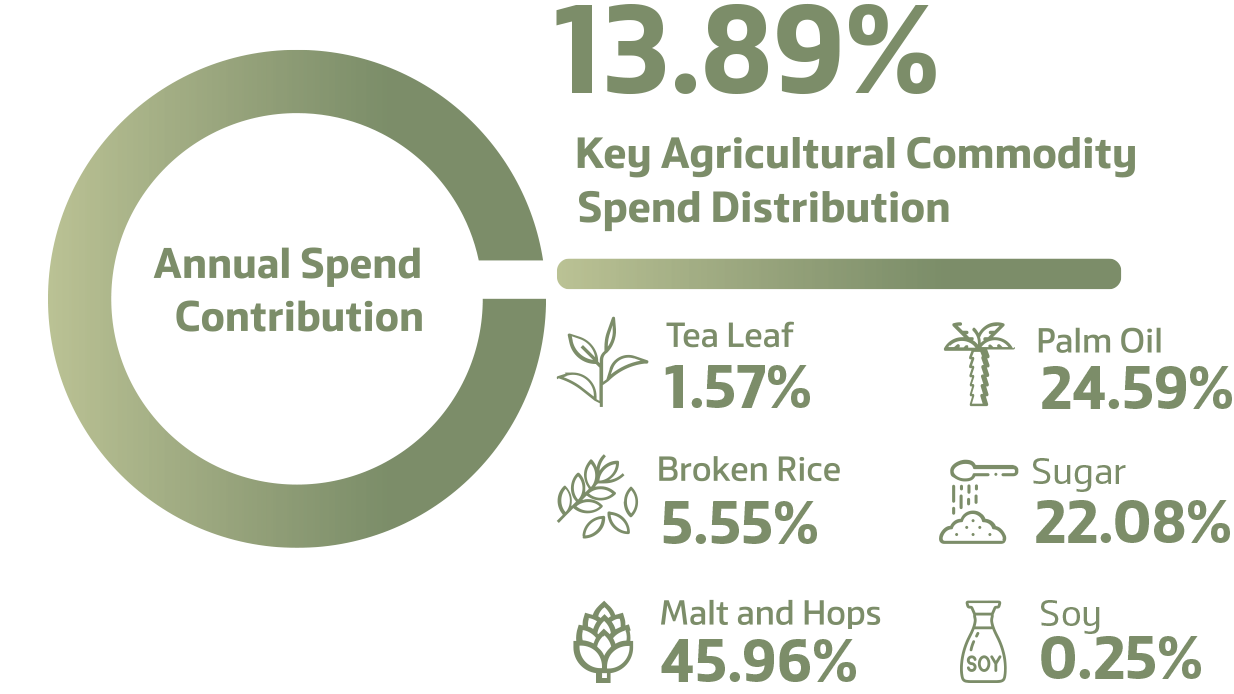
KEY AGRICULTURAL COMMODITY PROCUREMENT SPEND IN 2025

Sustainable Agriculture Programs and Commitments
ThaiBev has a Sustainable Agriculture Guideline in place which is applied to all of our agricultural raw materials suppliers. The guideline covers all essential environmental and social issues in regards to sustainable agriculture practices. ThaiBev requires agricultural raw materials suppliers to acknowledge and accept the guideline before being able to continue any transaction on our supplier portal called Supplier Life Cycle Management (SLCM).

ThaiBev has launched numerous farmer development campaigns, collaborating with both private and government sectors, in order to support and educate local farmers in practicing sustainable agriculture and in compliance with applicable renowned standards, e.g., BonSucro, RSPO, SAI Platform, SEDEX / SMETA, Rainforest Alliance, etc.
KEY RAW MATERIAL RESPONSIBLY SOURCED

COMMITMENT IN 2025
ThaiBev will procure agricultural raw materials which are the main raw materials in the production process from sources that follow high standards and are environmentally and socially responsible.
SUSTAINABLE AGRICULTURAL PROGRAMS
Sustainable Agricultural Program Scope ESG Benefits

Reduce Water Consumption

Reduce Environmental Pollution

Protect Soil Health

Prevent The Destruction Of Ecosystems

Reduce GHG Emission

Manage Waste

Develop Farmer Capability
Water Risks Management throughout Supply Chain
  • Tier 1 supplier
  • Non-tier 1 supplier
Rice Husk Pellet Ash from Boiler for Road Paving & Biofertilizer, Myanmar
  • Own operation
  • Non-tier 1 supplier
Low-Carbon Rice Farming: Saraburi Sandbox
  • Own operation
  • Tier 1 supplier
  • Non-tier 1 supplier
Distributing Soil Conditioner to Local Farmers, Thailand
  • Own operation
  • Tier 1 supplier
  • Non-tier 1 supplier
Cardrona Distillery and the Karearea Project
  • Non-tier 1 supplier
Speyburn Fish Ladder
  • Non-tier 1 supplier
Supplier Classification and Engagement for Scope 3 GHG Emissions Reduction
  • Tier 1 supplier
Pineapple Residue and Spent Malt Grains for Sustainable Animal Feed
  • Own operation
  • Tier 1 supplier
  • Non-tier 1 supplier
ThaiBev Business Partner Award
  • Own operation
  • Tier 1 supplier
ThaiBev Sustainable Agriculture and Responsible Sourcing, Thailand
  • Tier 1 supplier
  • Non-tier 1 supplier
Scope Definition
  • Own operation refers to the application of agricultural commodities in ThaiBev’s own production process
  • Tier 1 supplier refers to the sourcing of agricultural commodities, used in own operation, from suppliers who directly supply goods and services to ThaiBev
  • Non-tier 1 supplier refers to the sourcing of agricultural commodities, used in own operation, from suppliers who provide their products and services to the supplier at the next level in the chain
REDUCE WATER CONSUMPTION

Water Risks Management throughout Supply Chain
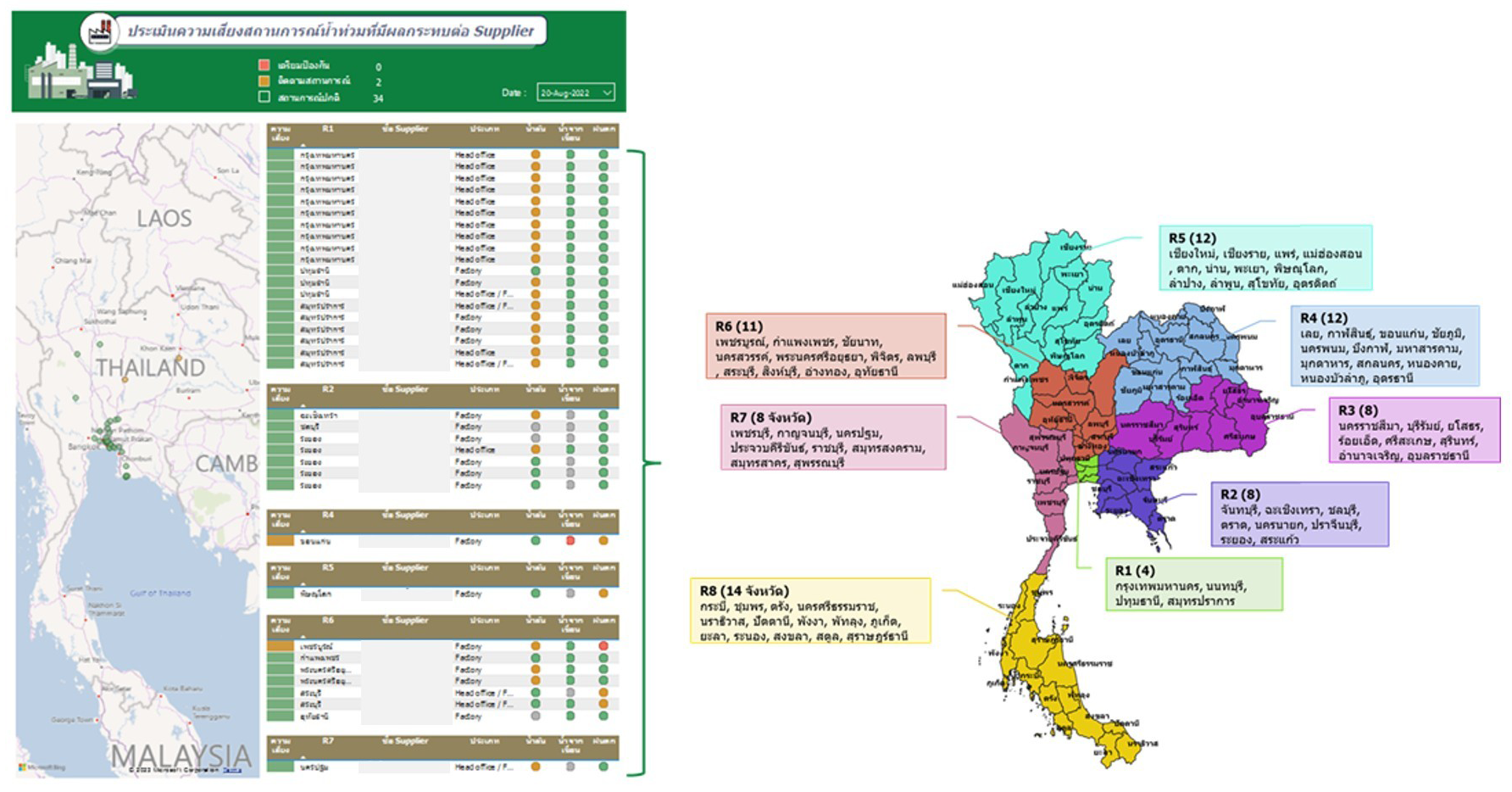
ThaiBev works with its suppliers in water-stressed areas to minimize water consumption. All significant suppliers are also assessed for water-related risks using WRI’s Aqueduct and the Together for Sustainability Initiative, as operational disruptions could have a substantial financial impact on ThaiBev. WRI’s Aqueduct is used to assess the overall water-related risk of suppliers’ agricultural commodity sourcing locations, including both physical risks related to water quantity and water quality. ThaiBev has identified 60 out of 173 locations (35 percent) of key agricultural commodity suppliers as operating in High and Extremely High water-stressed areas.
  • To quantify these risks, ThaiBev identifies products dependent on key agricultural commodities and assesses potential revenue loss from water-related supply chain disruptions.
  • To mitigate risks, ThaiBev works closely with suppliers to secure supply continuity and requires them to track and report their water footprint and intensity annually. In addition, ThaiBev monitors and assesses suppliers’ water risks during the rainy season through daily flood reporting via the CROSS SRM system.
Water stress levels No. of Tier 1 supplier locations
Extremely High (>80%)
44
High (40-80%)
16
Medium - High (20-40%)
18
Low - Medium (10-20%)
17
Low (<10%)
78
Total 173
Percentage of Tier 1 suppliers in water-stressed locations
25% 9% 11% 10% 45%
36.30% of factories in water stressed locations based on Cost of goods purchased in FY2025
% of total agricultural
commodity sourced from
water-stressed locations
Sugar
63.75%
Rice
89.19%
Grain
26.19%
Palm Oil
9.75%
Tea Leaf
22.50%
ThaiBev has also established a Sustainable Agriculture Guideline to ensure that suppliers can optimize water consumption during their agricultural processes. Our suppliers are encouraged to measure their water consumption, identify opportunities to reduce their water usage, conduct water risk assessments of their operating sites using internationally recognized tools, and implement mitigation plans in areas with significant water stress levels.

ThaiBev focuses on agricultural commodity category, which exposed to high water-related risk. Among the key agricultural commodities, sugar and broken rice are 100% sourced from suppliers located in high water-stresses areas. Therefore, ThaiBev focuses on working with suppliers of these two commodities in implementing stakeholder conflict management measures. ThaiBev encourages supplier collaboration with local communities, farmers, and third-party organizations to ensure sustainable water use. ThaiBev's Critical Suppliers of sugar and broken rice manage water-stress risks related to stakeholder conflict in line with BonSucro and FSA standards respectively.


Water Irrigation Initiative for Local Farmers at San Hpe Model Village, Myanmar
The Grand Royal Group (GRG), ThaiBev’s subsidiary, supported farmers in San Hpe Village with solar-powered irrigation, providing 1,500 cubic meters of water daily for 177 rai (28.3 hectares) of paddy fields, increasing yields and reducing irrigation costs by 50 percent. As a result, the project has produced 7,000 baskets of paddy equivalent to 150,000 kilograms increasing the income of ten landowners to a total of 620,955 Baht. Additionally, a solar-powered RO water treatment plant supplies 3,000 liters of clean water per day for local use and income-generating activities.
REDUCE ENVIRONMENTAL POLLUTION

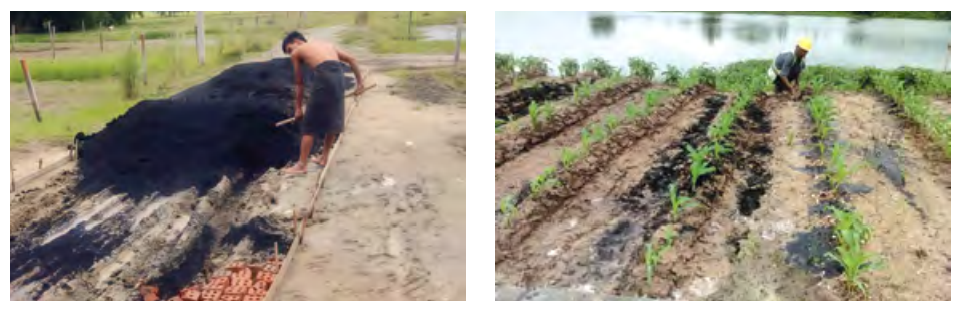
Rice Husk Pellet Ash from Boiler for Road Paving & Biofertilizer, Myanmar

Grand Royal Group has used rice husk pellet ash from the biomass boiler as a component in road paving in the four surrounding villages, which are home to 5,663 people. A total of 5,207 tonnes of the ash were reused, rather than being disposed of in a landfill.
The rice husk pellet ash is further utilized by combining it with biogenic sludge from wastewater treatment to produce biofertilizer for vegetables in Bio-Farm in Production facility. All vegetables grown in the Bio-Farm are distributed to factory employees and supplied to the factory canteen.

Low-Carbon Rice Farming: Saraburi Sandbox​
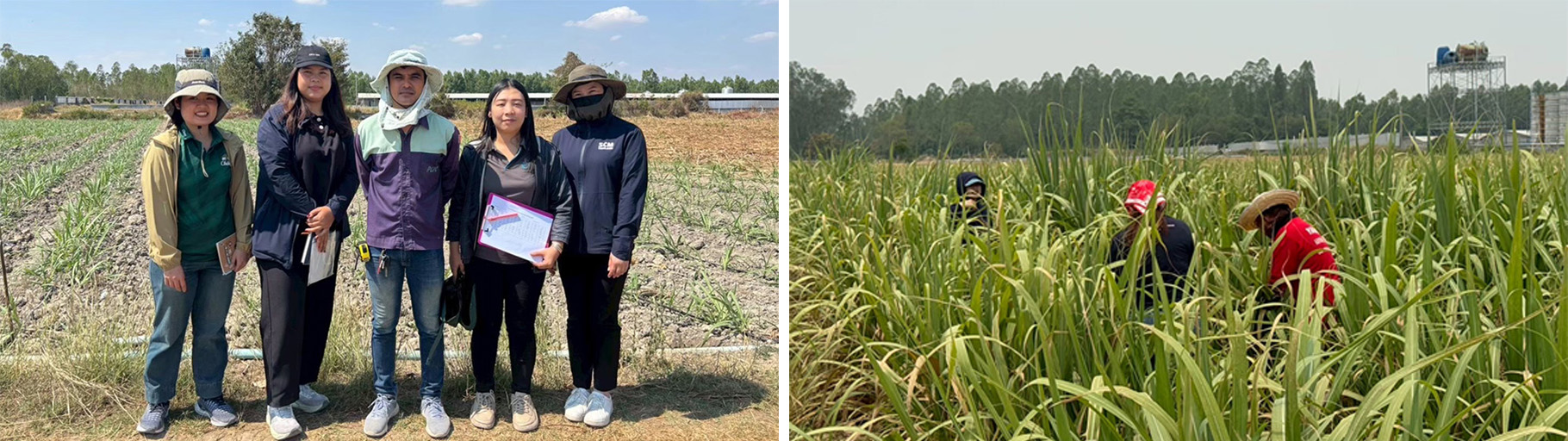
The Low-Carbon Rice Farming: Saraburi Sandbox project is one of the initiatives under the Saraburi Sandbox, jointly developed by ThaiBev and SCG, a co-founder of the Thailand Supply Chain Network (TSCN). The project aims to create a circular economy model by transforming industrial waste into value for the agricultural sector
ThaiBev provides spent stillage sludge, a by-product of the production process that is rich in nutrients beneficial to agriculture, and manages the mixing and production facility. The sludge is combined with microbial inoculants and Biochar from SCG to develop a soil conditioner. The soil conditioner is used to cultivate the experimental rice variety RD69 across nearly 100 rai in the pilot area of Saraburi Province. The project has also been expanded to cultivation areas in Phichit Province, where ThaiBev sources rice. The rice husks generated from the process are returned to the pyrolysis process to produce Biochar for the next cycle, creating a comprehensive Waste to Value circular system

The project delivers sustainability value across multiple dimensions. First, it helps reduce water consumption through low-carbon rice cultivation practices that improve water management and efficiency in rice fields. It also helps reduce environmental pollution by converting spent stillage sludge into a soil conditioner instead of disposing of it as waste
In terms of soil quality, Biochar provides a habitat for beneficial microorganisms, helping maintain soil quality, restore soil structure and improve soil fertility while reducing dependence on chemical fertilizers. At the same time, Biochar-Microbial technology helps reduce greenhouse gas emissions by reducing methane emissions from rice fields, while generating carbon credits from both Biochar Carbon and Rice Carbon
For waste management, spent stillage sludge and rice husks are continuously circulated back into the ecosystem, creating a closed-loop system. The project also focuses on farmer capacity building. Farmers can use the soil conditioner at no additional cost and receive training and participate in field data collection for performance measurement in accordance with the MRV (Measurement, Reporting, and Verification) principles
The project also places importance on human rights and fairness. Farmers retain ownership of their rice production and have the opportunity to receive a premium price for low-carbon rice
The project therefore serves as a model for collaboration between the industrial and agricultural sectors, enabling both sectors to grow together while creating value-added Low-Carbon Rice products and providing opportunities to scale the model to other areas across Thailand.
PROTECT SOIL HEALTH

From Spent Stillage Sludge to Fertile Soil: Development of Soil Conditioner for Sustainable Sugarcane Cultivation
ThaiBev, in collaboration with its sugar supplier, a key agricultural raw material supplier, initiated a Soil Conditioner Development Project for Sugarcane Cultivation. The project aims to sustainably manage by-products from the production process and create value for the agricultural sector.

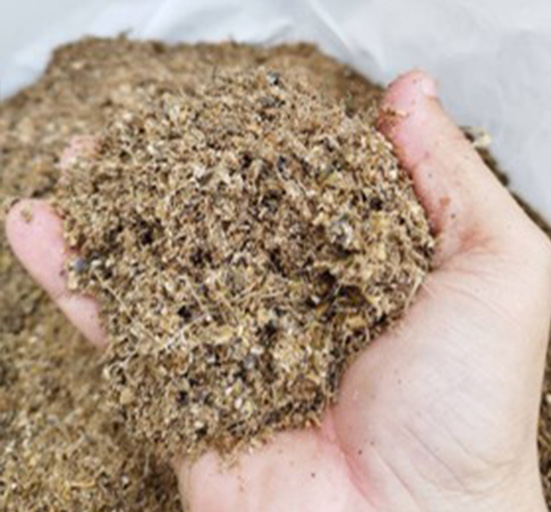
The project involves transforming spent stillage sludge, a by-product of ThaiBev’s spirits production process, into a soil conditioner containing minerals and nutrients beneficial to soil quality. The soil conditioner is intended for use in sugarcane cultivation by farmers within the supply network of sugar-producing partners.
ThaiBev and its sugar suppliers jointly study the properties of spent stillage sludge and develop and test soil conditioner formulations suited to soil characteristics and sugarcane requirements. The aim is to develop a product that enhances soil fertility and supports high-quality sugarcane production over the long term.

The project delivers sustainability value across multiple dimensions. From an environmental perspective, it supports industrial waste management by transforming spent stillage sludge, which would otherwise require disposal, into a useful agricultural resource. This helps reduce waste released into the environment and aligns with the principles of the Circular Economy.
In addition, using soil conditioners derived from natural materials helps protect soil health, restore soil structure and fertility, and reduce dependence on chemical fertilizers. In the long term, this can help reduce greenhouse gas emissions associated with the production and use of chemical fertilizers.
From a social perspective, the project contributes to agricultural capacity building by supporting sugarcane farmers supplying Cristalla with access to quality soil conditioners, helping improve crop quality and potentially increase farmers’ income over the long term.
From a governance and business collaboration perspective, the project demonstrates concrete collaboration with partners across the value chain. It also creates added value from by-products that were previously considered a cost, transforming them into a new business opportunity in line with ThaiBev Group’s commitment to sustainable business practices.
PREVENT THE DESTRUCTION OF ECOSYSTEMS

Cardrona Distillery and the Karearea Project
The Cardrona Distillery, ThaiBev’s New Zealand subsidiary, has partnered with Real NZ to support the Karearea Project, a community-led conservation effort initiated by Cardrona Alpine Resort. In collaboration with Parker Conservation, local Iwi, the Department of Conservation, and other stakeholders, the project focuses on protecting the Karearea (New Zealand Falcon) New Zealand’s only native falcon and most endangered bird of prey. With a population of just 5,000-8,000 individuals, the falcon is classified as “Threatened, Nationally Vulnerable”, underscoring the urgency of this initiative.

Speyburn Fish Ladder
The Speyburn-Glenlivet Distillery Company Limited, a ThaiBev subsidiary in Scotland, collaborated with Scottish charity, the Spey Foundation, on their second environmental project to increase fish populations along the River Spey. A new fish pass has been successfully constructed in the Granty Burn to overcome in-river obstacles that prevent salmon and sea trout from spawning and to improve the river’s biodiversity. This project follows the installation of the Mackalea Burn fish pass, also funded by Speyburn. The pass in the Granty Burn was created by extending an intake pipe for the distillery’s cooling pond upstream and building a temporary dam to divert water flow. Its design will open up high-quality breeding grounds to encourage spawning under all flow conditions.

Biodiversity Commitment
In 2021, ThaiBev established its commitment to achieving a net positive impact on biodiversity and eliminating gross deforestation. ThaiBev recognizes the importance of biodiversity conservation in mitigating the impacts of climate change and prioritizes preventing and avoiding adverse impacts on nature and ecosystems. This is achieved by avoiding the sourcing of paper packaging materials and agricultural commodities from areas at risk of deforestation. ThaiBev also prioritizes sourcing from suppliers that are committed to No Deforestation and demonstrate alignment with recognized certification standards. Furthermore, Biodiversity Protection and No-Deforestation requirements are incorporated into ThaiBev's Supplier and Business Partner Code of Practice, which sets clear expectations for suppliers to protect biodiversity and prevent deforestation throughout the supply chain. Through these measures, ThaiBev seeks to prevent the loss and degradation of natural habitats and areas important for biodiversity while promoting responsible sourcing practices across its value chain.
REDUCE GHG EMISSION
Supplier Classification and Engagement for Scope 3 GHG Emissions Reduction
Supplier Classification Carbon Accounting Reduction Target SBTi Alignment Supplier Engagement Strategy
Awareness Training Data Collection Support Target Setting Alignment Regular Disclosure Requirements Collaboration for Emission Reduction Knowledge Exchange
Beginner
     
Competence
       
Role Model
   
Leader
   
ThaiBev tailors its engagement strategies to each supplier’s classification. For Beginner and Competence suppliers, our primary focus is on capacity building through resources, training, and data collection support to establish foundational GHG accounting practices. For Role Model and Leader suppliers, ThaiBev emphasizes target alignment and collaborative initiatives to accelerate emissions reductions, leveraging these suppliers’ sustainability maturity to drive change.
MANAGE WASTE

From Industrial By-products to Quality Animal Feed: Development of a Pineapple Residue and Spent Malt Grains for Sustainable Animal Feed
ThaiBev, in collaboration with its pineapple supplier, a key agricultural raw material supplier, initiated the Pineapple Residue and Spent Malt Grains Animal Feed Product Development Project. The project aims to establish a model for sustainably managing by-products from the production process and creating economic and environmental value.
From By-products to Animal Feed
The project involves combining spent malt grains, a by-product of ThaiBev’s beer production process, with pineapple residue from its supplier to develop an animal feed formulation for dairy cattle. The target group is dairy cooperatives in Saraburi Province.
Both organizations jointly study the characteristics of the raw materials, establish an initial formulation, conduct blending trials, and develop the product formulation. The nutritional value of the product is also analyzed to ensure that it is high-quality, safe, and suitable for dairy cattle farming. The project will subsequently assess its business potential and explore opportunities for future commercialization.

The project delivers sustainability value across multiple dimensions. From an environmental perspective, it supports industrial by-product management by transforming spent malt grains and pineapple residue, which would otherwise require disposal, into useful resources. This helps reduce waste released into the environment and reduce potential greenhouse gas emissions associated with conventional waste disposal processes, in line with the principles of the Circular Economy.
From a social perspective, the project contributes to feed security for dairy cooperatives in Saraburi Province by providing an additional source of quality animal feed ingredients at an appropriate cost. This can help support the livelihoods and quality of life of dairy farmers over the long term.
From a governance and business collaboration perspective, the project demonstrates concrete collaboration with partners across the value chain. It also creates added value from by-products that were previously considered a cost, transforming them into a new business opportunity in line with ThaiBev Group’s commitment to sustainable business practices.
DEVELOP FARMER CAPABILITY

ThaiBev Business Partner Award
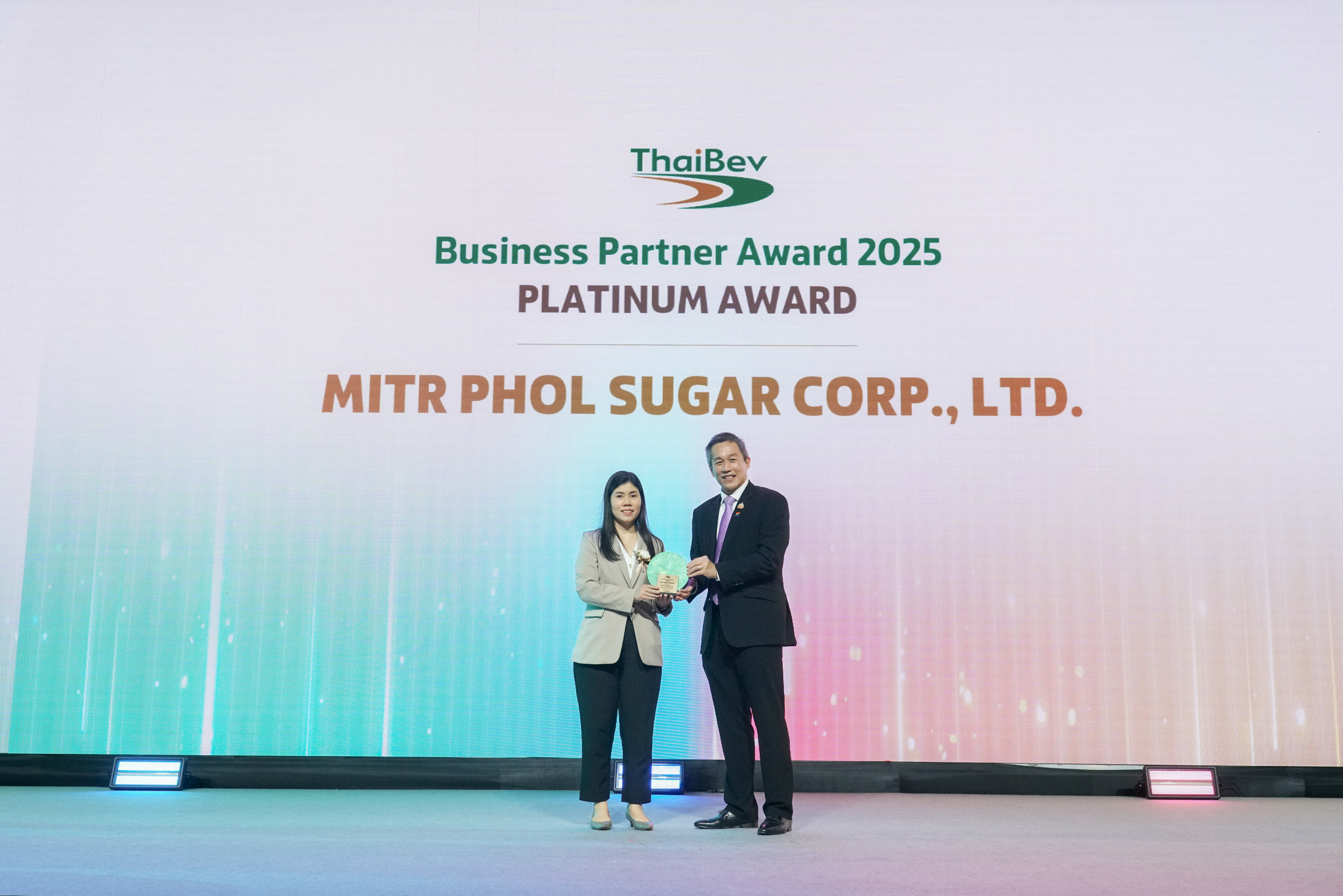
These annual awards aim to promote supplier development, private sector competitiveness, sustainable business practices, and innovation. The contenders for the awards are ThaiBev’s strategic business partners, including critical suppliers, suppliers with strong business relationships, and high-volume suppliers. The awards are divided into three tiers: Silver, Gold, and Platinum (business partners who receive a Gold Award for three consecutive years). In 2025, the ThaiBev Business Partner Award has been expanded beyond Thailand and Malaysia to Vietnam, reflecting ThaiBev’s growing regional presence. The award celebrates excellence and innovation while also evaluating suppliers on GHG disclosure and Net-Zero commitment. By integrating climate action into recognition, ThaiBev reinforces transparency and ambition as key indicators of supplier excellence.
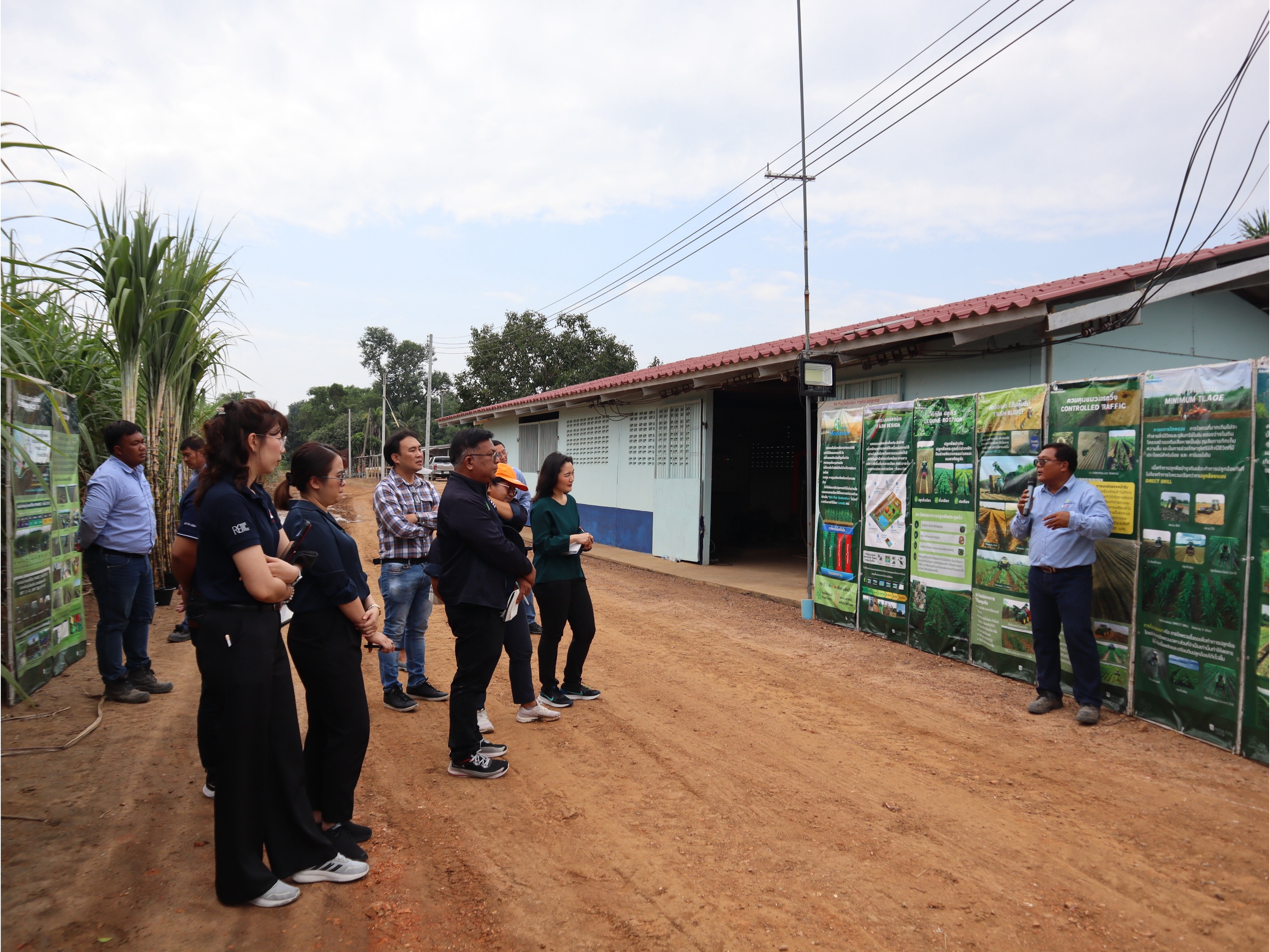
ThaiBev invites agricultural raw material suppliers to participate in ThaiBev Business Partner Award program every year with the aim to increase awareness of sustainable agricultural practice. The program is an incentive for suppliers to implement sustainable agricultural initiatives and operate in line with sustainability standards, such as, BonSucro, RSPO, Rainforest Alliance, SEDEX, etc.

The majority of ThaiBev’s agricultural commodity tier 1 suppliers are either manufacturers or distributors. Instead, the local farmers are considered to be ThaiBev non-tier 1 suppliers who cultivate and supply agricultural commodities to the tier 1 suppliers. Understanding the challenges local farmers face in adopting sustainable agriculture practice, we encourage our tier 1 suppliers to implement similar farmer support programs to ensure that the farmers have sufficient knowledge and resources.

ThaiBev Sustainable Agriculture and Responsible Sourcing in Thailand
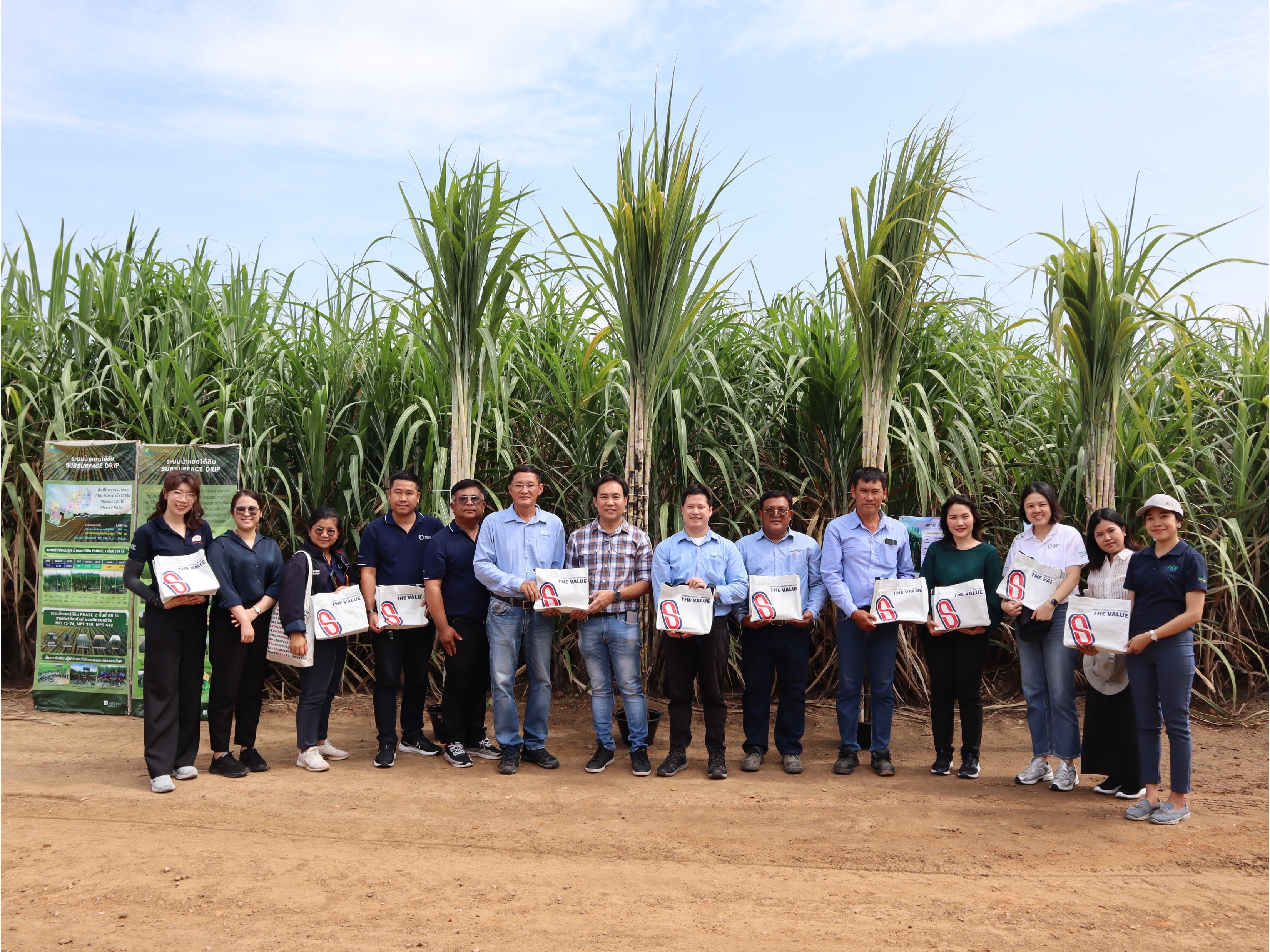
ThaiBev is committed to advancing sustainable agriculture by collaborating with key agricultural commodity suppliers to educate local farmers. In Thailand, these efforts focus on malt, hops, sugar, broken rice, tea leaves, and palm oil. Through alignment with internationally recognized standards such as Bonsucro, RSPO, SAI Platform, SEDEX/ SMETA, and Rainforest Alliance. ThaiBev promotes farming practices that enhance resource efficiency, protect ecosystems, and comply with global sustainability benchmarks.

Additionally, ThaiBev also supports these suppliers in promoting sustainable farming practices among non-Tier 1 farmers in Thailand. These initiatives include nutrient management, pest control for ecosystem preservation, water conservation, soil health improvement, leveraging smart farming approach using automation tools such as GPS-guided tractors, drones, and IoT (Internet of Things) irrigation. Such initiatives empower farmers to boost productivity while minimizing environmental impact, reducing GHG emission. This comprehensive approach strengthens local economies, and supports ThaiBev’s sustainability objectives and Thailand’s national environmental goals.

To further support sustainable development, ThaiBev also provides basic ESG training to key commodity suppliers. The training equips suppliers with the knowledge and tools to calculate and manage their own environmental data, including GHG emissions, water use, and waste management. This foundational knowledge enables suppliers to identify pathways toward Net Zero, implement effective water stewardship in their regions, and adopt responsible waste management practices

Learn more about Water Management of Sugar supplier here
THAIBEV’S MANAGEMENT OF KEY AGRICULTURAL RAW MATERIALS
PROPORTION OF AGRICULTURAL RAW MATERIALS RESPONSIBLY SOURCED
Agricultural crop Amount (metric tonnes) Percentage of certified crops Certification

Malt and Hops
177,425.06 100%
  • SAI Platform
  • Farm Sustainability Assessment (FSA)
  • SEDEX

Broken Rice
121,650.26 100%
  • Sustainable Rice Platform (SRP)
  • SMETA

Sugar
224,102.11 100%
  • BonSucro
  • SMETA

Palm Oil
48,872.00 100%
  • Roundtable on Sustainable Palm Oil (RSPO)

Soy
3,245.99 100%
  • Non-GMO Certification

Tea Leaves
278.30 100%
  • Rainforest Alliance
  • OneCert International Organic Standards (EU equivalent)
  • myGAP Standard
ThaiBev has established purchasing policy and bidding requirement to only procure key agricultural raw materials with the leading third-party certification / standards only, i.e., RSPO, BonSucro, SAI Platform, SEDEX, Rainforest Alliance. To ensure the compliance, ThaiBev requests evidence of certification and integrates the requirement into audit criteria. As a result, 100% of key agricultural commodities purchased is certified and responsibly sourced. It also aims to maintain the certified proportion to be 100% in alignment with our 2025 commitment to responsibly source 100% of key agricultural commodities.
Integration of Third-party Certification Requirement into Procurement Processes

Sourcing Policy

Product Specification

Bidding Requirement

Assessment & Audit
MALT & HOPS
Malt and hops are the key agricultural raw materials used in distilling and brewing processes.
ACHIEVEMENT IN 2025

100%

of malt and hops are sourced from SAI Platform members or SMETA verified suppliers

RESPONSIBLE SOURCING STRATEGY
Supplier Selection
Establish mandatory sourcing requirement to source from suppliers who are member of Sustainable Agriculture Initiative (SAI) Platform or operate in compliance with such standards
ACTIONS TAKENS
ThaiBev encourages and supports malt and hops suppliers to become active members and follow the Sustainable Agriculture Initiative Platform (SAI), a global standard for agricultural practices. Most of the suppliers are members of SAI Platform and manage their own farms in accordance with such standard. Those who are not SAI Platform member operate under SEDEX /SMETA and have external verification in place. Non-tier 1 suppliers who supply barley to the malt suppliers who do not have their own farm are SEDEX/SMETA certified as well.

ThaiBev’s supplier also implements digital tool to improve supply chain visibility and traceability. The tool allows farmers to take a holistic view of their farm operations based on a broad set of sustainability criteria. Using this tool, farmers can assess not just the carbon footprint or water usage, but also other important parameters, such as yield, soil health, biodiversity and social aspects.

Other approach adopted by our supplier is the cradle to cradle with an investment in an anaerobic digester that utilizes waste product from the factory to make fertilizer and putting back on the land owned by local farmers that grows its agricultural raw material.
SUGAR
Sugar is mainly used in the production of ThaiBev’s non-alcoholic drinks and is locally sourced in Thailand.
ACHIEVEMENT IN 2025

100%

of sugar sourced is BonSucro certified or sourced from SEDEX member

RESPONSIBLE SOURCING STRATEGY
Farmer Support
Partner with sugar producer to support sugarcane farmers to operate in compliance with BonSucro requirements

Supplier Collaboration
Collaborate with affiliated sugar producer to obtain BonSucro certificate (Production Standard including Mass Balance Chain of Custody Standard) and create the demand for certified sugar in Thailand.
ACTIONS TAKEN
ThaiBev adheres to BonSucro standard which covers 3 pillars of sustainability: environmental, social, and economic and incorporates these in its sourcing requirement for sugar. In terms of collaboration with its business partners, ThaiBev collaborates with its strategic sugar supplier to launch farmer development program with the objective to promote sustainable sourcing and reduce ESG impacts in agricultural processes.

ThaiBev’s supplier is one of the largest sugar producers in Thailand. The supplier has implemented farmers’ capability development programs and encourage farmers to practice modern cane farming that promotes effectiveness in quality and products, as well as reducing environmental impacts. One of the successful initiative is buying sugar cane leaves and straws from local to reduce burning sugar cane, the major cause of PM 2.5 smog.
BROKEN RICE
Rice is mainly used in the production of ThaiBev’s product and is locally sourced.
ACHIEVEMENT IN 2025

100%

of broken rice is sourced from Sustainable Rice Platform compliant or SMETA verified suppliers

RESPONSIBLE SOURCING STRATEGY
Supplier Collaboration
Encourage major rice millers and distributors to address human rights and environmental issues in the farming processes in compliance with local applicable ESG standards

Supplier Development
Develop broken rice suppliers to improve their operation in alignment with SMETA standard
ACTIONS TAKEN
ThaiBev engages with the local farmers to properly educate them in adopting sustainable agriculture practice and makes them aware of relevant sustainability issues in the agricultural processes, for instance, water efficiency, soil fertility, organic farming, etc.

Additionally, ThaiBev has implemented a strict pesticide control for rice. It is included as the requirement in its product specification. ThaiBev has systematic process to sample and test the product to ensure food safety.
TEA LEAVES
Green tea products contribute majorly to ThaiBev’s non-alcoholic beverages product portfolio. The highest quality tea leaves grown via organic farming are being used to produce our tea products.
ACHIEVEMENT IN 2025

100%

of tea leaves sourced are Rainforest Alliance certified or are organically produced in accordance with OneCert International Organic Standards (EU Equivalent)

RESPONSIBLE SOURCING STRATEGY
Farmer Support
Continuously engage with key suppliers to support farmers in adopting sustainable agricultural with the primary focus on organic farming
ACTIONS TAKEN
All of the tea leaves used in ThaiBev’s production of non-alcoholic beverages are certified in accordance with Rainforest Alliance or OneCert International Organic Agriculture standards. The organic agriculture requirements cover all key essential issues stated in the EU Organic Farming, for instance climate and environment protection, conservation of soil fertility, absence of GMO, etc. ThaiBev also displays the Organic Product label on its tea products to ensure that its customers can make a well-informed purchasing decision.

One of ThaiBev’s suppliers and Thailand’s major tea leaves producer, works closely with farmers in their supply chain through Farmers Empowerment program. As part of this program, farmers are able to acquire knowledge on organic farming practices, pesticide-free farming and preserving soil fertility. As a result, farmers are able to minimize their operational cost while maintaining lowest environmental impacts.
PALM OIL
Palm oil is a key ingredient used in both restaurant business and manufacturing of packaged food.
ACHIEVEMENT IN 2025

100%

of palm oil sourced is RSPO certified

RESPONSIBLE SOURCING STRATEGY
Promote the use of RSPO certified sustainable palm oil (Identity Preserved, Segregation and Mass Balanced) focusing on addressing deforestation and GHG emissions through on-going discussions with our key suppliers
ACTIONS TAKEN
ThaiBev supports large-scale palm oil producers and small-scale farmers in the responsible and efficient production of palm oil and to be certified with the Roundtable on Sustainable Palm Oil (RSPO) international standards.

ThaiBev has established a sourcing requirement to procure RSPO certified palm oil. Since 2018, 100% of palm oil use at KFC restaurants is RSPO certified. ThaiBev is extending this requirement to its Oishi restaurant and is committed to ensure that 100% of palm oil used in food business is sourced responsibly.
SOY
Soy is mainly used in the production of ThaiBev’s non-alcoholic drinks.
ACHIEVEMENT IN 2025

100%

of soy is sourced from Non-GMO verified suppliers

RESPONSIBLE SOURCING STRATEGY
Supplier Selection
Establish sourcing requirements for soy suppliers to ensure that soy used in products meets requirements and relevant Quality standards.

Supplier Development
Engage with suppliers to continuously improve responsible sourcing practices and maintain compliance with requirements.
ACTIONS TAKEN
ThaiBev works with suppliers to source Non-GMO verified soy for use primarily in the Non-Alcohol Product Group. This helps ensure the quality and integrity of agricultural raw materials used in ThaiBev’s products.

ThaiBev requires relevant suppliers to provide Non-GMO verification or supporting documentation to demonstrate compliance with sourcing requirements. The Company also collaborates with suppliers to maintain traceability and ensure that soy continues to meet the required standards throughout the supply chain.

This approach supports responsible agricultural sourcing, product Quality, and supply chain transparency.
Sustainable Agriculture Guideline
An Essential Part in Achieving Sustainable Supply Chain
INTRODUCTION
Thai Beverage Group (hereafter “ThaiBev”) seeks to deliver a quality end product which answers our consumers’ demand and originates from a sustainable source. It has always been our concern to build a solid and effective supply chain in collaboration with our suppliers. ThaiBev’s Sustainable Agriculture Guideline (hereafter “the Guideline”) shall be our additional requirements for our suppliers in order to ensure that the material we source meet our standards.

We expect our suppliers to share our vision on sustainable agriculture and adopt the same practice to their own supply chain.
SCOPE
The requirements stated hereinafter shall apply to only agricultural raw material suppliers (hereafter “suppliers”). This includes suppliers’ related business entities, for instance, suppliers’ affiliates. Raw materials shall refer to only unprocessed materials.

Environmental

Conservation of Biodiversity
Suppliers may protect the natural state of ecosystem, ensuring sustainable use of natural resources and where possible, avoid interfering at all. We expect our suppliers to avoid sourcing agricultural raw materials in high conservation values or legally protected area under any circumstances.

Conservation of Forests
Suppliers may avoid deforestation in ecologically sensitive areas and take into account the prior use of land to ensure that no forests are not cut or burned for conversion to agricultural land.

Local Agriculture
Suppliers may support local farming in order to promote domestic agriculture and minimize pollution from the transportation of raw materials harvested. We encourage our suppliers to provide local farmers, whose raw materials they rely on, with knowledge and support necessary to promote sustainable and secure long-term supply of raw materials.

Organic Farming
Suppliers may adopt organic farming in their own agricultural operation or promote organic farming practice where applicable. We encourage suppliers to obtain organic farming certification from third-party or comply with organic farming standards established in countries where raw materials are being sourced.

Energy and Emissions Management
Suppliers may optimize energy usage within their supply chain, minimizehouse gas (GHG) emissions and implement activities to mitigate the negative impacts arising from GHG emissions on surrounding communities.

Soil Management
Suppliers may protect and improve soil fertility, for instance, by conserving soil, rotating crop, and maintaining the balance amount of soil nutrient.

Water Consumption
Suppliers may optimize water consumption during their agricultural process. Our suppliers are encouraged to measure their water consumption and identify opportunities to reduce their water usage where possible. In addition, we urge suppliers to conduct water risk assessment of their operating sites using internationally recognized tools and implement mitigation plan in area where water stress level is found to be significant.

Pesticide Control
Suppliers may manage and closely monitor the usage of pesticide especially contamination of nearby water sources. At minimum, we expect our suppliers to establish a maximum pesticide residue limit for their raw materials. Where in use pesticides should be applied responsibly in adequate amount required to control the invasion of pests and should be stored properly in a way that they do not produce negative impacts on surrounding communities.

GMO Declaration
Suppliers shall notify ThaiBev if their raw materials are GMO or contain or derive from GMO ingredients. They must also comply with regulations concerning GMO in countries where they operate. Please refer to ThaiBev’s GMO Guideline for more detail on our position on GMO.

Human Rights

Land Use Violation
Suppliers shall not violate the community’s right to access land and natural resource and respect the established rights of indigenous/tribal people to their land as well as their prior and informed consent. Furthermore, we expect our suppliers to maintain a good relationship with the communities in which they operate, conducting impact assessment of their operations on local community on regular basis and establish development programs where necessary.

Child and Forced Labor
Suppliers shall adhere to the laws and regulations concerning minimum working age in countries where they operate, and avoid any forms of forced labor, including slave labor, indentured labor, bonded labor.

Wages and Well being
Suppliers shall work to ensure that farmers in their supply chain are entitled to income and wages that meet basic income needs in countries where the raw materials are being grown. Furthermore, we expect our suppliers to maintain good relationships with farmers and implement empowerment programs to develop their skills and capabilities where applicable.
ALSO AVAILABLE AT THAIBEV SUPPLIER LIFE CYCLE MANAGEMENT