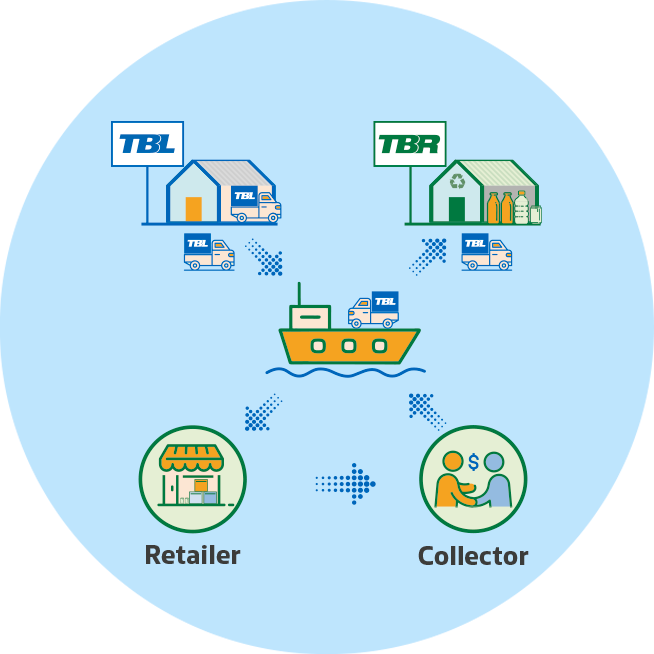
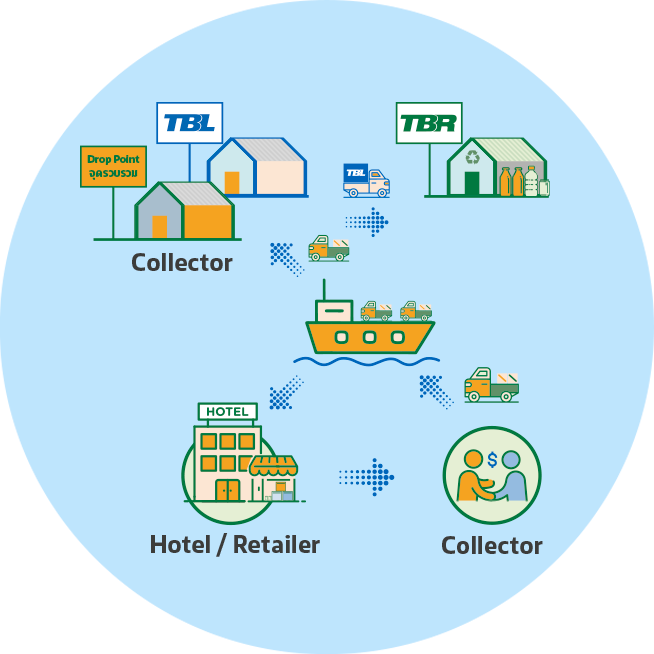
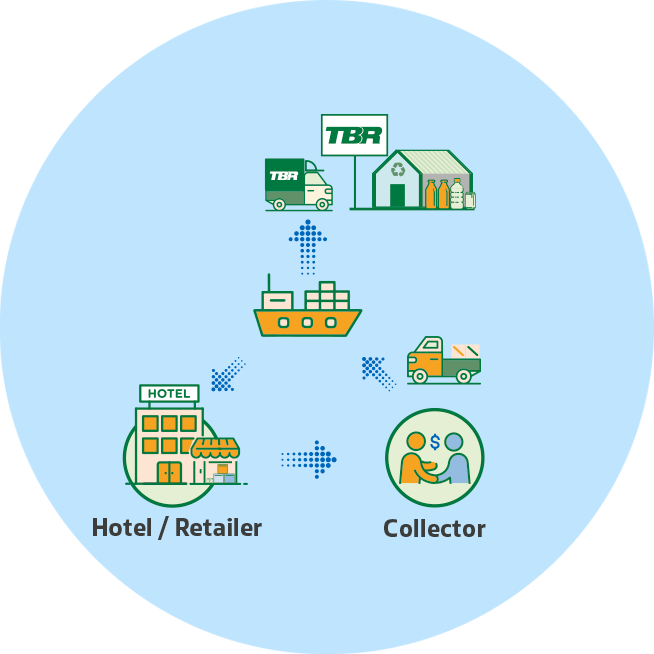
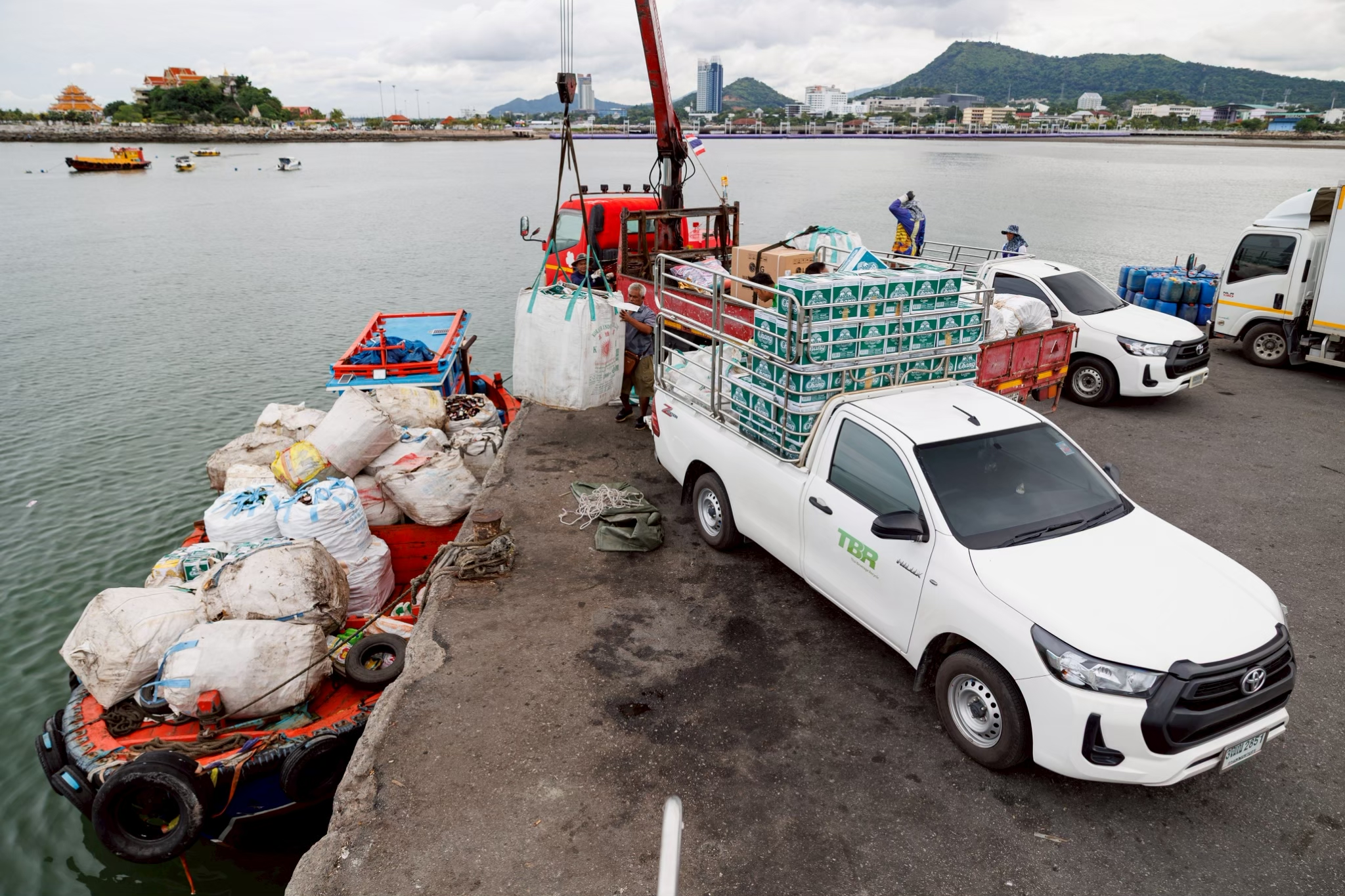
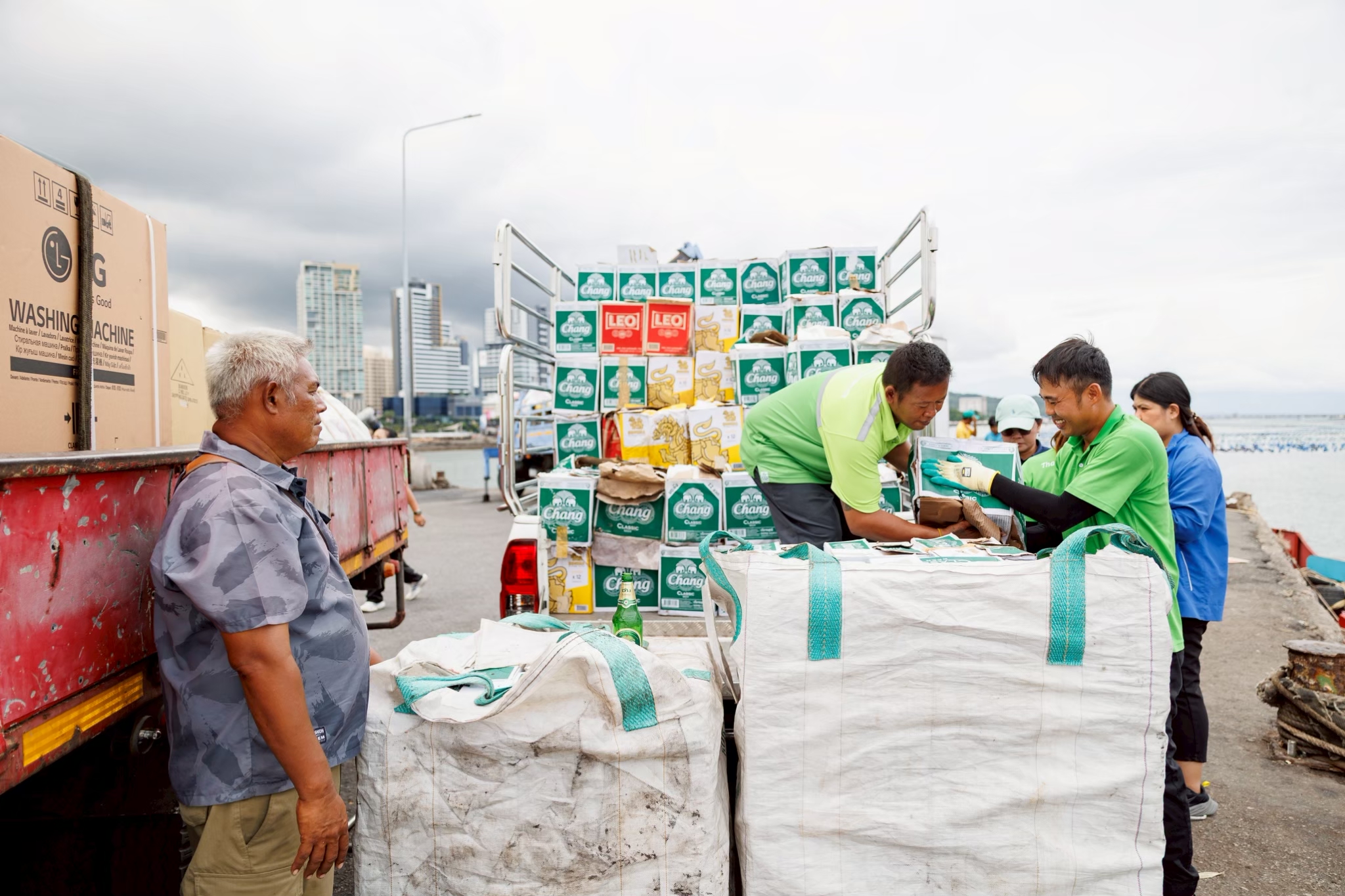
The Island Model demonstrates how ThaiBev integrates packaging circularity with local community development in environmentally sensitive areas. Implemented in collaboration with local authorities, waste collectors, and scrap shops, the program addresses the unique challenges of managing post-consumption packaging in remote island destinations where limited transportation access, high logistics costs, and mixed waste disposal often make recycling unviable.
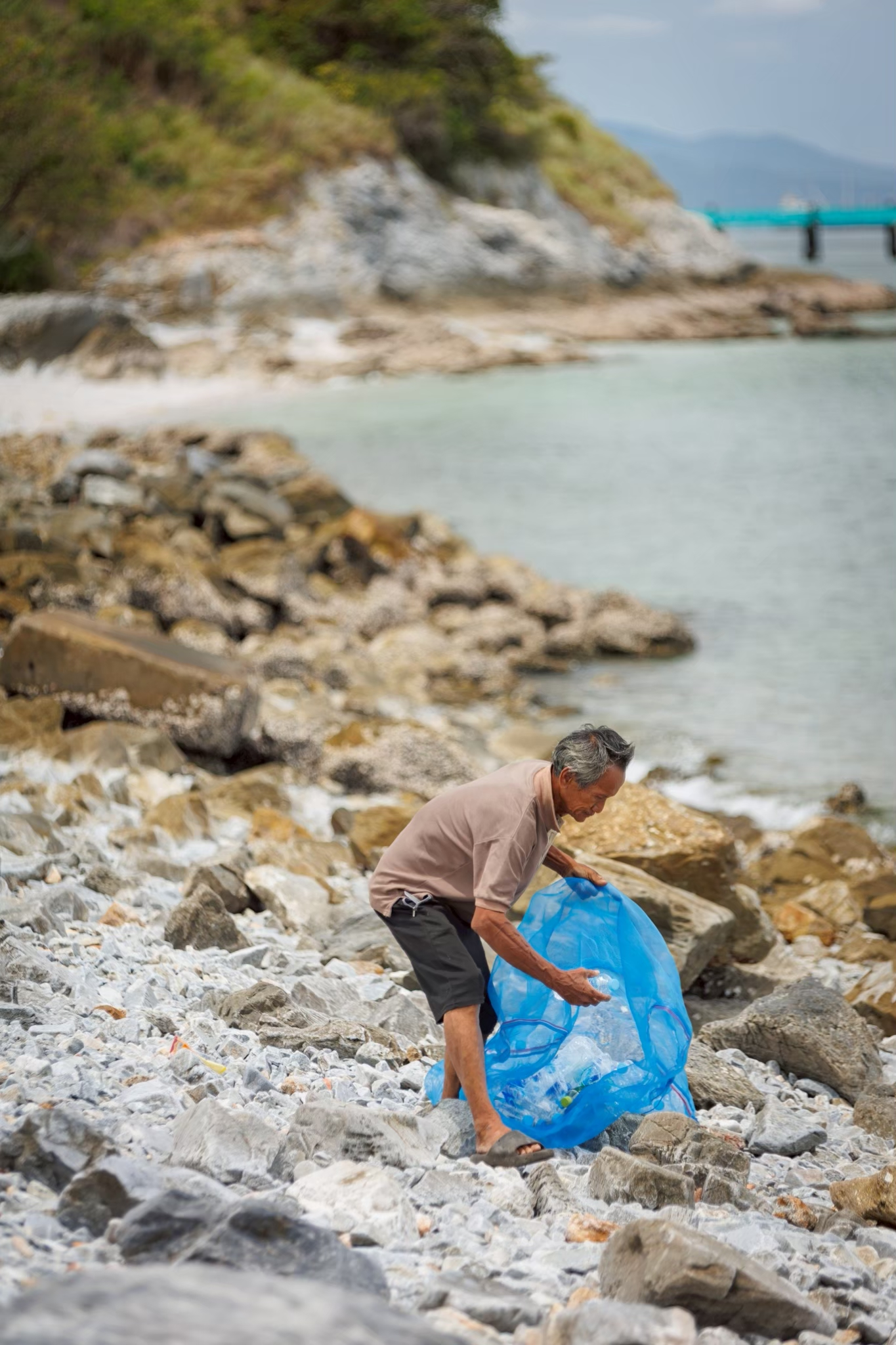
When the program was first introduced, most post-consumption packaging was disposed of together with general waste, providing no income opportunities for local communities. Through engagement and tailored support, ThaiBev worked with partners to establish systematic waste separation and collection processes. As a result, waste composition and quality have gradually improved, making recycling more feasible and providing new livelihood opportunities for residents.
In 2025, the program expanded to nine islands across eastern and southern Thailand. Tailored collection and transport systems enabled the recovery of post-consumption packaging, diverting waste from unmanaged disposal and marine leakage. These efforts helped prevent marine litter, protect fragile ecosystems thereby benefiting marine species, safeguard coastal biodiversity from the impacts of plastic and microplastic pollution and reduce packaging-related greenhouse gas emissions through the recycling process.
Beyond the direct operational benefits, the Island Model embodies a dual value creation approach:
-
External impact:
Reduces marine pollution risk, enhances coastal ecosystem protection, and strengthens community resilience through stable income opportunities.
-
Internal impact:
Improves regulatory readiness in high-tourism areas, mitigates reputational risks related to plastic leakage, and contributes measurably to Scope 3 emissions reduction.
As it encompasses both internal and external outcomes, ThaiBev uses the Island Model as a strategic decision-making tool to guide future investments in circular packaging systems. The model is now being scaled to additional islands, positioning it as a replicable framework that aligns business resilience with long-term positive impact for society and the environment.