ThaiBev has initiated biodiversity assessments across all its production sites to ensure that impacts on biodiversity
and ecosystems are properly understood and managed throughout its operations. The company has refined its assessment process to include Critical Habitat Assessments (CHA) at operational sites and surrounding areas, covering both upstream and downstream zones. These assessments are conducted in accordance with the International Finance Corporation’s Performance Standard 6 (IFC PS6) on Biodiversity Conservation and Sustainable Management
of Living Natural Resources (IFC, 2012), incorporating expert consultations and thorough review to evaluate
the potential impacts of land development and production activities on critical biodiversity. The assessment
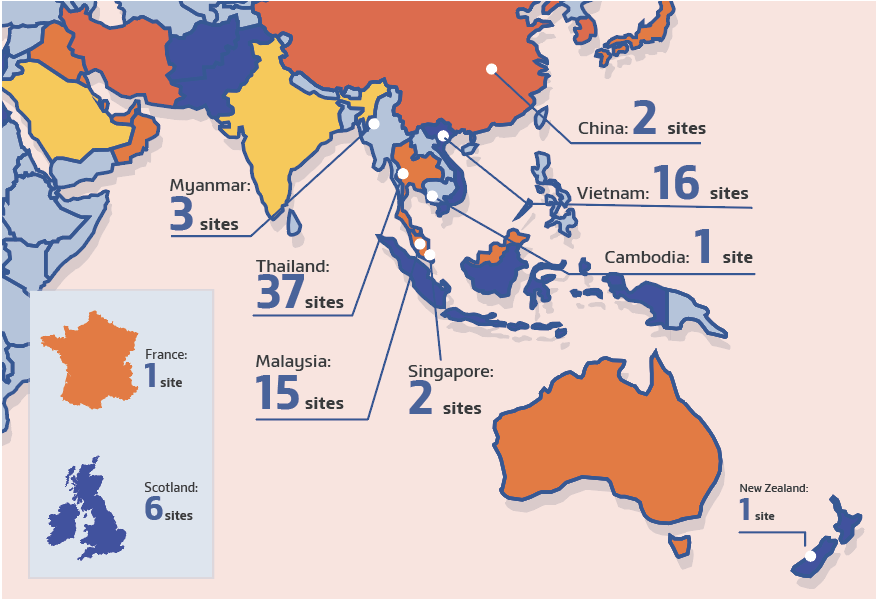
encompasses 84 sites, comprising 75 production
sites and nine operation sites with a total area of
4,969.4 hectares, spanning ten countries as follows:
The Biodiversity Assessment consists of 4 phases:
Phase 1 Biodiversity Risk Screening:
A risk rating was assigned to each operational site that is located either within or in proximity to internationally recognized areas
or important biodiversity areas. The rating was based on the site’s distance from these areas, using a desktop assessment within a ten kilometers buffer around each site to screen for species that could potentially face a high risk
of impact.
Phase 2 Critical Biodiversity Assessment (CHA):
The assessment aimed to further identify specific sites
that feature high biodiversity value, supporting ThaiBev’s corporate ambition to achieve a net positive impact on biodiversity. Documentation from the operational sites was reviewed to help identify biodiversity values that may qualify the area as critical habitat and to understand the ecological context and key site characteristics relevant
to the assessment. The CHA also included expert
consultations with species specialists to determine whether the potential species identified in Phase 1 were actually present in the surrounding area. Additional preliminary information on site operations and potential biodiversity footprints was also considered.
Phase 3 Residual Biodiversity Impact Assessment:
This phase involved assessing the primary residual impacts on biodiversity at operational sites that were deemed to have a greater potential to affect biodiversity due to their proximity to habitats specifically designated as important for conservation, and/or due to their location within the range of species with special conservation status (Critically Endangered, Endangered, or Vulnerable). Information
from the operational sites was used to evaluate potential impacts and categorize them based on Receptor Sensitivity and Impact Magnitude. The combination of these two factors was then used to estimate Impact Significance.
The Residual Biodiversity Impact Assessment showed that three of the 84 sites have major impact on biodiversity.
Phase 4 Biodiversity Management Plant (BMP):
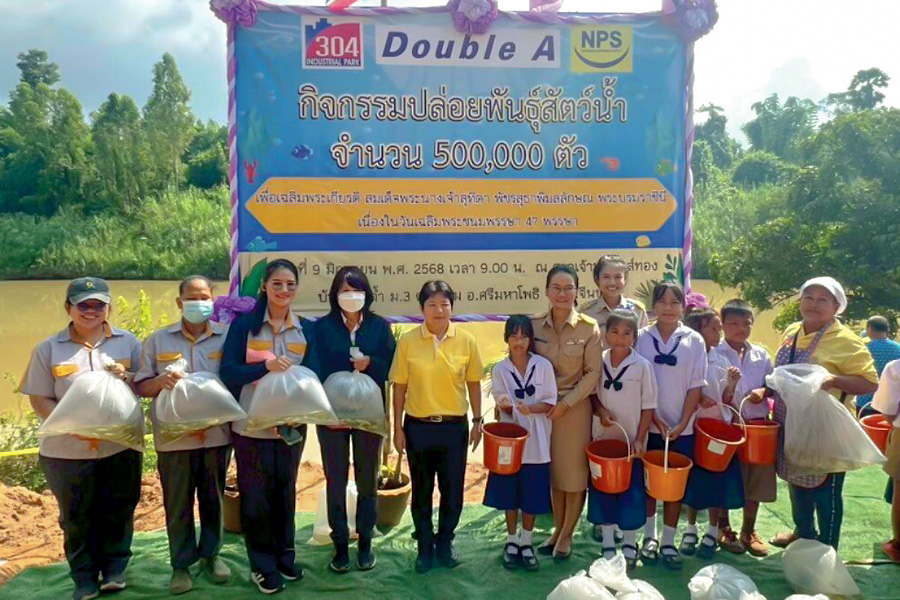
ThaiBev’s Biodiversity Management Plan (BMP) aims to implement strategies for the conservation, restoration, and promotion of biodiversity at two facilities with significant biodiversity impacts, Thanapakdi distillery, Chiang Mai Province and Fuengfuanant Distillery, Prachin Buri Province; and four production sites with medium biodiversity impacts, namely Luckchai Liquor Trading, Ratchaburi Province; Oishi Trading (Wang Muang), Saraburi Province; SermSuk, Nakhon Sawan Province; and S.S. Karnsura, Ubon Ratchathani Province. The BMP ensures sustainable resource management and adherence to ThaiBev’s corporate social responsibility towards environmental stewardship.
The primary objectives of the Biodiversity Management Plan are as follows:
- Conduct stakeholder consultation to identify the best biodiversity compensation opportunities near the
company’s operational sites.
- Establish appropriate mitigation measures, monitoring programs, and management plans to achieve the goals of Net Positive Impact (NPI) and No Net Loss (NNL).





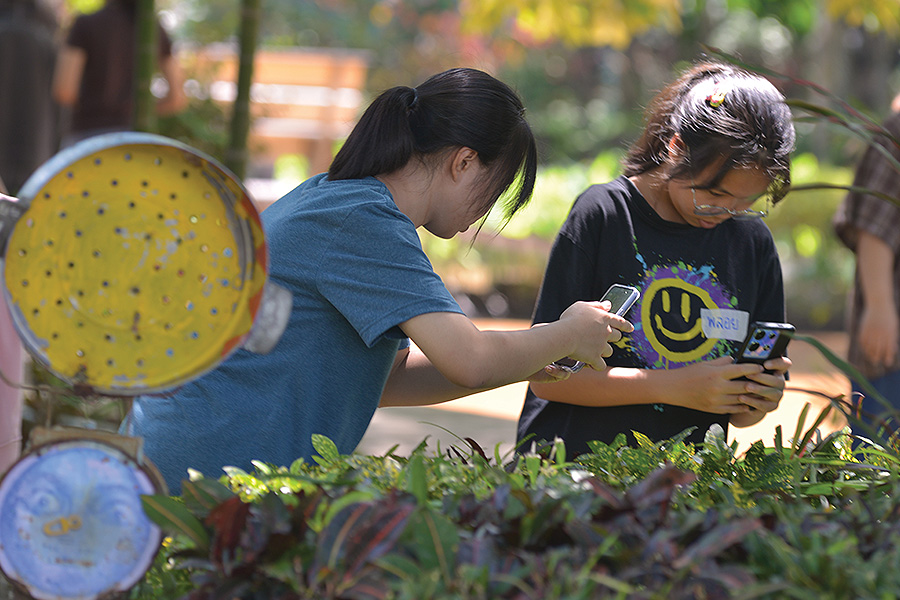 ThaiBev is collaborating with the Mae Fah Luang
Foundation to manage and protect 90,000 rai
(approximately 14,400 hectares) of community forest
areas across 11 provinces in Thailand, aiming to develop guidelines for environmental conservation alongside sustainable community development. These community forests cover diverse ecosystems nationwide,
encompassing various ecological characteristics within their respective areas. They are not limited to a single forest type but include a wide range of ecological features that reflect the unique geography and environmental conditions of each location.
ThaiBev is collaborating with the Mae Fah Luang
Foundation to manage and protect 90,000 rai
(approximately 14,400 hectares) of community forest
areas across 11 provinces in Thailand, aiming to develop guidelines for environmental conservation alongside sustainable community development. These community forests cover diverse ecosystems nationwide,
encompassing various ecological characteristics within their respective areas. They are not limited to a single forest type but include a wide range of ecological features that reflect the unique geography and environmental conditions of each location.