




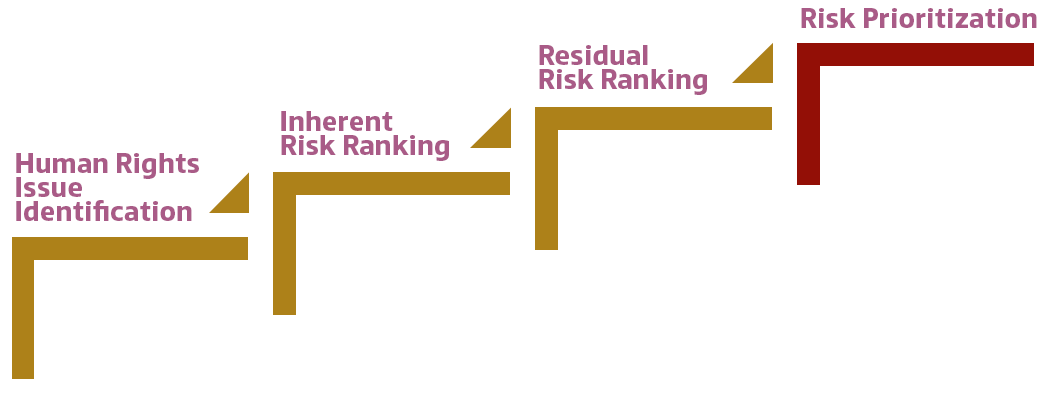
 Human Rights Issue Identification
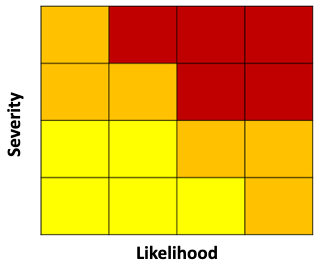
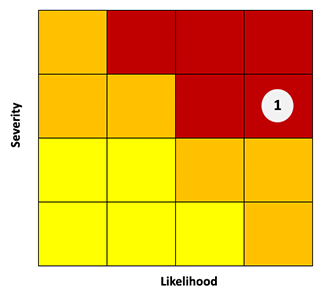
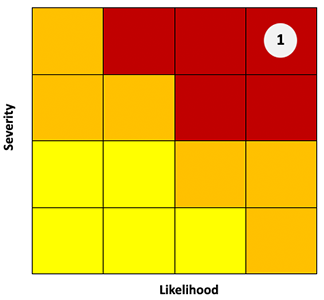
Level of Likelihood and Severity can be illustrated in Human Rights Risk Matrix.
| Severity Level | Scale (Seriousness of Impact) |
Scope (how many people are/ will be affected) |
Remediability (how difficulty is it to restore the people impacted to their previous situation) |
|
| Impact on health | Impact on other factors (e.g., property, personal data, restriction of rights) |
|||
| Very High (4) |
Significant impact to health and safety: physical disability or fatality | Unable to live a normal life, including restrictions on the rights of affected individuals (e.g., forced relocation, coercion, job loss) | Impact to all stakeholders in the group e.g. all of members in the community, all employees, all suppliers | Impossible to restore or will take longer than 5 years (>5 years) to restore the impact |
| High (3) |
Moderate impact to health and safety: serious injury that needs rehabilitation (loss-time injury) | Long-term adaptation or impact on livelihood (e.g., loss of opportunities due to relocation, increased expenses from moving, job changes, or any lifestyle changes resulting in reduced quality of life) | Impact to most stakeholders in a particular stakeholder group | Take 3-5 years to restore the impact |
| Medium (2) |
Slight impact to health and safety: minor injury or illness (no loss-time) | Short-term adaptation or partial lifestyle changes (e.g., relocation, job change, or lifestyle changes that do not affect personal expenses, economic conditions, or quality of life) | Impact to some stakeholder in a particular stakeholder group | Take 1-3 years to restore the impact |
| Low (1) |
Minor impact to health and safety: first aid case | Minimal or no adaptation or impact on lifestyle (e.g., no relocation, job change, or lifestyle change; or minor lifestyle adjustments that do not require adaptation or reduce quality of life) | No negative impact to stakeholder | Take less than a year (<1 year) to restore the impact |
| Likelihood Level | Likelihood of Occurrence and Frequency |
| Very High (4) | Occurs frequently within 1 year, or occurs every year |
| High (3) | Occurs very often, or occurs every 1-5 years |
| Medium (2) | Occurs moderately or rarely occurs every 5-10 years |
| Low (1) | Almost never occurs, or more than 10 years |
| High: Human Rights Salient Issues which require the implementation of additional measures to reduce the severity and/or likelihood of risks to a lower level. | |
| Medium: Human rights issues that still require strict enforcement of mitigation measures. | |
| Low: Continue with existing control; however, monitor for changes |
Marketing & Sales: Event
(1 operational site in Thailand)
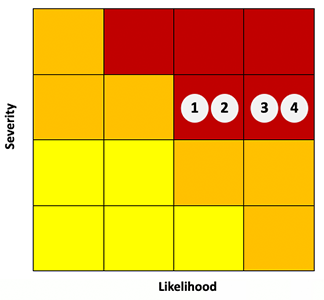
Marketing & Sales: Event
(1 operational site in Thailand)
Marketing & Sales: Event
1. (76 operational site in Thailand)

2025
Performance
Total
number of incidents of discrimination
and harassment
3 cases
|

Target
2025
0 cases
|

| Nationality | % of Total Workforce | % of Total Management Workforce |
 Thai |
83.15 | 57.46 |
 Vietnamese |
6.08 | 5.53 |
 Burmese |
4.36 | 16.60 |
 British |
0.61 | 2.46 |
| Other Asian Nationality | 5.72 | 17.34 |
| Other Non-Asian Nationality | 0.08 | 0.60 |
| Indicator | Difference between men and women employees (%) |
| Mean gender pay gap | -12.05 |
| Median gender pay gap | 8.85 |
| Mean bonus gap | -8.79 |
| Median bonus gap | -12.36 |
| Indicator | Difference between men and women employees (%) |
| Mean gender pay gap | -13.10 |
| Median gender pay gap | 29.83 |
| Mean bonus gap | -6.22 |
| Median bonus gap | -10.51 |
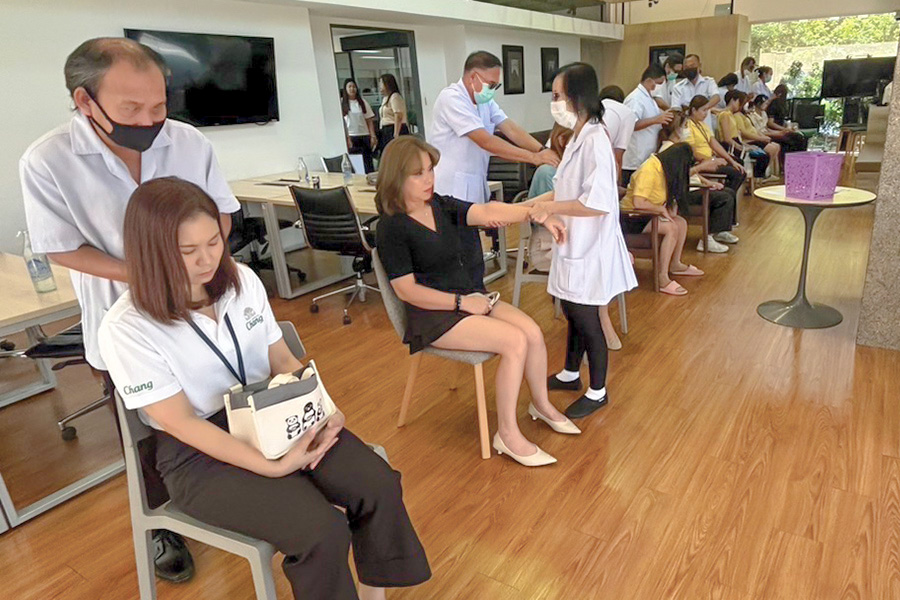 ThaiBev actively promotes the direct employment of People with Disabilities under Section 33 and Section
35 of the relevant law. The company has moved away from financial contributions under Section 34, aiming instead to maximize both direct employment and income support for People with Disabilities.
ThaiBev actively promotes the direct employment of People with Disabilities under Section 33 and Section
35 of the relevant law. The company has moved away from financial contributions under Section 34, aiming instead to maximize both direct employment and income support for People with Disabilities.
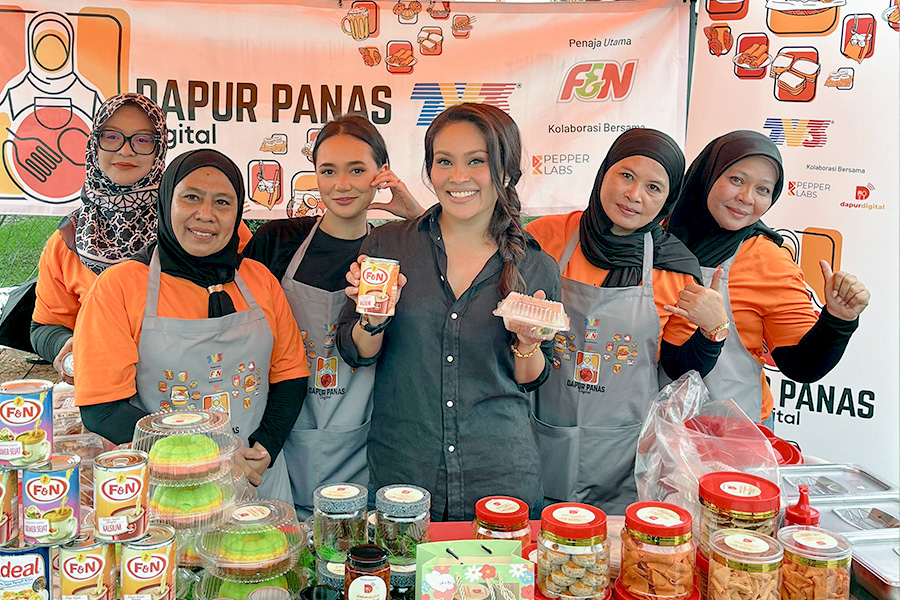 International Beverage UK continues to champion fair
labor practices by maintaining accreditation as a Real Living Wage employer. This ensures that all directly employed staff and regular third-party contractors are paid at least the Real Living Wage, reflecting the true cost of living in the UK.
International Beverage UK continues to champion fair
labor practices by maintaining accreditation as a Real Living Wage employer. This ensures that all directly employed staff and regular third-party contractors are paid at least the Real Living Wage, reflecting the true cost of living in the UK. |
|
|
| Read More Information about
Human Rights
in Sustainability Report 2025
|
 |